
A Passion for Fashion

When Fashion is Your Life

A New Chapter, A New Look: Finding Meaning in Fashion During Mental Health Recovery

A new chapter in life often begins with a change in perspective, but it can also begin with something as simple as getting dressed in the morning. During mental health recovery, rebuilding confidence, reconnecting with personal identity, and developing healthy routines can all become important parts of the healing process. Fashion does not replace therapy, medication, counseling, or professional addiction treatment. However, personal style can provide a practical and creative way to support self-care, encourage self-expression, and recognize the person you are becoming.

At Felpe Fitch Italia, the philosophy of recovery centers on caring for the whole person. Addiction recovery services, mental health treatment, inpatient and outpatient care, holistic support, and faith-based approaches can help individuals address challenges while developing healthier and more meaningful lives. Within that larger process, everyday activities such as choosing an outfit can become opportunities to practice intention, confidence, and self-respect.

Why Identity Matters in Mental Health Recovery

Mental health challenges can affect far more than mood. They can influence relationships, motivation, confidence, work, physical health, and the way a person understands their own identity.

When someone has been struggling for a long time, they may begin to define themselves by their symptoms, difficult experiences, or past decisions. Addiction can intensify this experience, particularly when shame and guilt become part of a person’s self-image.

Recovery offers another possibility.

It creates room to ask important questions: Who am I now? What matters to me? What kind of life do I want to build? What interests have I neglected? What values do I want to express?

Personal style can be part of answering those questions.

Fashion Can Become a Form of Self-Expression

Clothing provides a simple way to communicate individuality without saying a word. Colors, fabrics, patterns, accessories, and silhouettes can all reflect personal preferences.

During recovery, this can become particularly meaningful.

Perhaps you once enjoyed fashion but stopped caring about your appearance during a difficult period. Maybe you are discovering an interest in clothing for the first time. Either way, experimenting with personal style can provide a healthy creative outlet.

The goal is not to look perfect. The goal is to feel authentic.

Getting Dressed Can Support Healthy Routines

Mental health recovery often involves developing structure. Regular sleep, nutritious meals, exercise, therapy appointments, medication management when prescribed, social connection, and other healthy habits can provide stability.

Getting dressed can become another small part of that structure.

Create a Meaningful Morning Ritual

A morning routine does not need to be complicated.

You might begin by making your bed, taking a shower, choosing an outfit, eating breakfast, and reviewing your plans for the day. These ordinary actions can create a sense of predictability when life otherwise feels uncertain.

Choosing clothes intentionally can add another moment of awareness.

Instead of rushing through the morning, pause and ask what you need from your clothing today. Do you need comfort? Confidence? Professionalism? Freedom of movement? A sense of creativity?

There is no wrong answer.

Prepare the Night Before

If mornings are difficult, choosing an outfit before going to sleep can reduce decision-making pressure.

Set aside something comfortable and appropriate for your plans. Then allow yourself to move on to the next part of your evening.

This small practice can support organization and reduce unnecessary stress.

Fashion Can Help Rebuild Confidence

Confidence is often affected by mental health challenges and addiction. When someone has spent months or years feeling overwhelmed, isolated, or disconnected from themselves, even small accomplishments can feel significant.

Personal appearance can become one way to recognize those accomplishments.

Choose Clothes That Make You Feel Comfortable

Confidence does not require expensive clothing or designer brands.

A well-fitting shirt, comfortable pair of pants, favorite sweatshirt, or meaningful accessory may be enough to help you feel more like yourself.

Physical comfort matters because uncomfortable clothing can create another distraction during an already challenging day.

Choose pieces that allow you to move, work, participate in treatment, spend time with others, and live your life comfortably.

Dress for the Person You Are Becoming

One useful question is, “What does the healthier version of me want to wear?”

Perhaps the answer is something simple and practical. Maybe it is professional clothing for a new job. Perhaps it is an outfit that reflects your creativity or spiritual values.

The point is not to create a false image.

Instead, personal style can help you express the positive qualities you are developing through recovery.

Let Your Wardrobe Reflect Personal Growth

Recovery can change priorities.

You may become more interested in simplicity, responsibility, spirituality, relationships, creativity, or physical wellness. Your wardrobe can change along with those priorities.

Let Go of Negative Associations

Some clothing may remind you of painful periods, unhealthy relationships, or environments connected with substance use.

If particular items consistently bring up difficult memories, consider whether they still belong in your current life.

You do not need to throw everything away or replace your entire wardrobe. Make gradual changes that feel manageable.

Creating a wardrobe that feels connected to your present circumstances can reinforce the sense that you are moving forward.

Rediscover Forgotten Interests

Addiction and mental health struggles can push hobbies into the background.

Maybe you once enjoyed putting outfits together, visiting clothing stores, designing looks, collecting accessories, or following fashion trends.

Recovery can provide an opportunity to revisit those interests.

A renewed passion for fashion can become a healthy form of creativity when it is approached with balance.

Fashion and Holistic Healing

Holistic recovery recognizes that lasting wellness involves more than one area of life. Emotional health, physical wellness, relationships, spirituality, purpose, and daily habits can all contribute to a person’s overall well-being.

This whole-person perspective is particularly valuable during addiction recovery and mental health treatment.

Supporting Mind, Body, and Spirit

Professional treatment provides the foundation for addressing addiction and mental health concerns. Healthy lifestyle practices can then complement that work.

Personal style can fit naturally into this broader approach.

Taking care of your clothing, preparing yourself for the day, and choosing outfits that feel authentic can encourage self-respect. These practices are simple, but they can reinforce a larger message: your well-being deserves attention.

Connecting Style With Faith and Values

For people who incorporate faith into their recovery, personal style may also reflect spiritual values.

Clothing choices can represent modesty, dignity, simplicity, gratitude, or personal identity. The specific expression will differ from person to person.

What matters is intention.

Rather than dressing for outside approval, you can choose clothing that feels consistent with the values guiding your recovery.

Practical Ways to Find Meaning in Fashion During Recovery

Fashion can become helpful when it remains simple, intentional, and financially responsible.

Build a Recovery-Friendly Wardrobe

Start with the clothing you already own. Identify pieces that make you feel comfortable and confident.

Then consider adding items gradually based on your actual needs.

If you are returning to work, prioritize practical professional clothing. If you are participating in treatment and recovery activities, choose comfortable pieces that allow you to move freely. If you are reconnecting with friends and family, select clothing that helps you feel socially comfortable.

Your wardrobe should serve your life, not control it.

Avoid Comparison

Social media can make fashion feel like a competition. Carefully edited images may create unrealistic expectations about appearance, money, body image, and lifestyle.

Recovery is not a competition.

You do not need someone else’s wardrobe to feel confident. Your style should reflect your personality, circumstances, and goals.

Be Mindful of Shopping Habits

Fashion should support emotional wellness, not become another way to escape difficult emotions.

For some individuals, shopping can become compulsive or financially stressful. If buying clothing begins to interfere with recovery, relationships, finances, or emotional stability, it may be helpful to discuss the behavior with a therapist or counselor.

Healthy self-expression should create freedom, not another source of pressure.

Celebrating a New Chapter

Recovery includes milestones that deserve recognition.

Completing an inpatient program, transitioning to outpatient care, reaching a recovery anniversary, returning to work, rebuilding a relationship, or developing healthier ways to manage stress can all represent meaningful progress.

Give Milestones Personal Meaning

A new clothing item can sometimes become a symbolic reminder of an accomplishment.

It might be a shirt worn for an important appointment, an outfit purchased after reaching a treatment goal, or an accessory connected with a personal achievement.

The clothing does not create the achievement.

The meaning comes from the story behind it.

Every time you wear that item, you may remember the effort, courage, and determination that helped you reach that point.

Remember That Recovery Is Bigger Than Appearance

It is important to maintain perspective.

Fashion can support confidence and self-expression, but appearance is only one small part of emotional wellness. Your value does not depend on how you look.

Mental health recovery requires compassion, patience, and appropriate professional support. Addiction recovery may require counseling, structured treatment, medical care, peer support, family involvement, or other services based on individual needs.

Personal style works best as a complement to those resources.

Give Yourself Permission to Have Difficult Days

Some days, you may enjoy choosing an outfit and feel energized by your personal style.

Other days, getting dressed in comfortable clothes may feel like a major accomplishment.

Both are valid.

Recovery is not about maintaining a perfect appearance. It is about continuing to care for yourself, even when motivation is low.

That mindset is far more important than following a fashion trend.

A New Look Can Represent a New Perspective

A new chapter does not require becoming an entirely different person. In many ways, recovery is about reconnecting with the parts of yourself that became difficult to see during addiction or emotional distress.

Fashion can be one small way to explore that process.

Your wardrobe can reflect your growing confidence. Your morning routine can reinforce self-care. Your clothing choices can express your values. Your favorite pieces can remind you of meaningful accomplishments.

These everyday actions do not replace professional treatment, but they can support the work you are already doing.

Conclusion

Finding meaning in fashion during mental health recovery is ultimately about much more than clothing. It is about recognizing that everyday choices can become expressions of self-respect, identity, and personal growth. When you choose an outfit that feels authentic, prepare for your day with intention, or rediscover a creative interest, you are giving yourself another opportunity to participate actively in your own well-being.

At Felpe Fitch Italia, recovery is approached with an understanding that every person’s needs and experiences are different. Individualized addiction recovery services, mental health treatment, inpatient and outpatient care, holistic support, and faith-based approaches can provide meaningful foundations for lasting change.

Fashion can be one supportive part of that larger journey.

If you are struggling with addiction or mental health concerns, you do not have to navigate the next chapter alone. Reaching out for professional support can be an important first step toward rebuilding confidence, discovering your identity, and creating a healthier future.

Your new chapter does not have to look like your past. With compassionate care and intentional choices, you can begin creating a life that feels authentically yours.
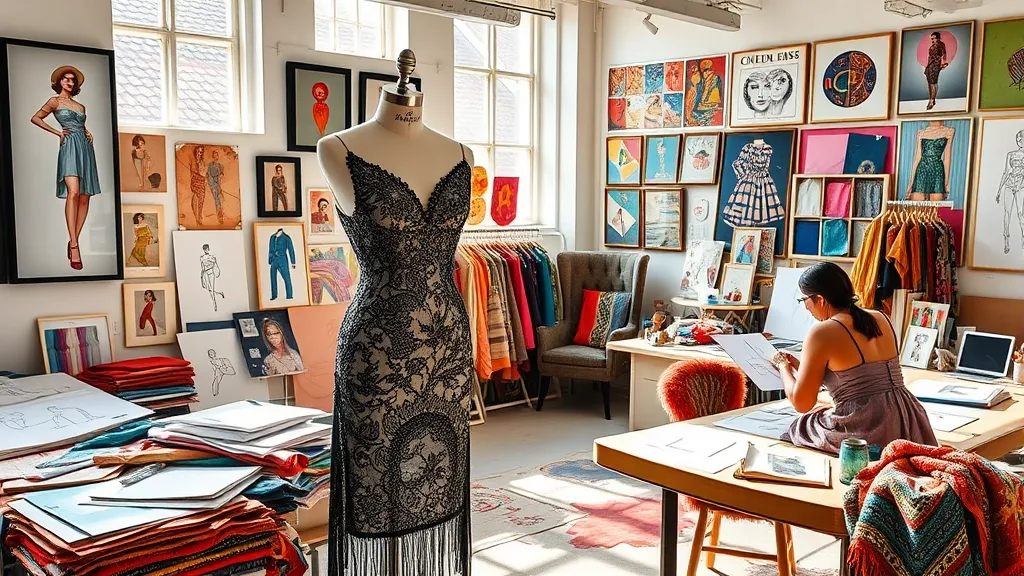
Style Beyond the Surface: How Fashion Can Encourage Purpose and Positive Change

Fashion is often viewed as a matter of appearance, but personal style can represent something much deeper. During addiction recovery and mental health treatment, people often work to rebuild confidence, establish healthy routines, reconnect with their values, and develop a stronger sense of identity. Clothing cannot treat addiction or replace professional care, but intentional fashion choices can support those goals by creating opportunities for self-expression, self-care, and positive change. When someone begins to see their wardrobe as an expression of the life they are building, getting dressed can become a small but meaningful part of a larger recovery journey.

Recovery is ultimately about creating a healthier and more purposeful life. That process requires professional support, personal commitment, and consistent attention to emotional and physical well-being. It can also involve rediscovering interests that may have been neglected during addiction. For someone with a passion for fashion, personal style can provide a creative way to reconnect with individuality while developing healthier habits.

Why Purpose Matters in Addiction Recovery

Addiction can gradually take over areas of life that once provided meaning. Work, relationships, hobbies, responsibilities, and personal interests may become less important as substance use becomes a priority.

Recovery offers an opportunity to change that direction.

Finding purpose does not necessarily mean discovering one major life goal immediately. Purpose can begin with simple things, such as caring for yourself, reconnecting with loved ones, developing a hobby, returning to work, strengthening your faith, or making plans for the future.

Purpose Creates Motivation

When people have meaningful reasons to pursue recovery, healthy decisions can become easier to understand.

A person may want to maintain sobriety because they want to rebuild trust with family. Someone else may want to return to school, develop a career, strengthen their spiritual life, or simply feel comfortable in their own life again.

Personal style can become one small expression of those goals.

If you are building a more confident and responsible version of yourself, the way you present yourself can reinforce that intention.

How Fashion Can Encourage Positive Change

Clothing is not a treatment for addiction. However, it can influence how people approach daily routines and self-expression.

Getting Dressed Can Become a Healthy Ritual

Recovery often benefits from structure. A consistent morning routine can provide stability and help individuals transition into the responsibilities of the day.

Getting dressed intentionally can become part of that routine.

Instead of putting on whatever is closest, take a few moments to choose something comfortable and appropriate for your plans. That simple decision can communicate that the day matters and that you are worth preparing for.

Over time, small routines can become powerful reminders of personal responsibility.

Clothing Can Reflect Personal Values

As recovery progresses, people often reassess what they value.

Perhaps family has become more important. Maybe faith has become a source of strength. You may be developing greater respect for your health, your time, or your relationships.

Your wardrobe can reflect those values in subtle ways.

The goal is not to impress other people. It is to create a personal style that feels consistent with who you are and the direction you want your life to take.

Rebuilding Identity After Addiction

One of the most difficult aspects of recovery can be learning to separate your identity from addiction.

You are not defined by your substance use history. You are not limited to your worst decisions. Recovery creates space to discover interests, strengths, and characteristics that may have been overshadowed by addiction.

Fashion can help make that exploration tangible.

Rediscover What You Like

Think about the clothing you enjoyed before addiction became a major part of your life.

Did you enjoy putting together outfits? Did you like certain colors or styles? Did you care about shoes, accessories, or different types of clothing?

Those interests may still be part of you.

You can also discover entirely new preferences. Your style does not have to return to what it was before. It can evolve as you grow.

Give Yourself Permission to Experiment

Trying a different style can be a healthy form of self-expression.

You might choose a more polished look for work, comfortable clothing for recovery meetings, or a style that reflects a renewed sense of confidence.

There is no single correct way to dress during recovery. What matters is that your choices feel authentic and support your well-being.

Fashion and Mental Health Wellness

Mental health and addiction are often closely connected. Emotional distress can affect motivation, self-esteem, relationships, and the ability to maintain everyday routines.

That is why comprehensive recovery should address more than substance use alone.

Self-Care Can Begin With Small Decisions

When someone is struggling emotionally, even basic tasks can feel difficult.

Taking a shower, brushing your hair, choosing clean clothes, and getting ready for the day can feel like significant accomplishments during challenging periods.

These actions should not be treated as a substitute for therapy or mental health treatment. Instead, they can complement professional care by encouraging healthy habits and personal dignity.

Confidence Should Come From Within

Fashion can contribute to confidence, but healthy self-esteem should not depend on appearance.

A person does not become more valuable because of what they wear. Clothing is simply one way to express the value and individuality that already exist within them.

That distinction is important during recovery.

The goal is not to create an image for other people’s approval. The goal is to feel more comfortable expressing yourself as you develop a healthier relationship with yourself.

Creating a Wardrobe That Supports Your Recovery

A recovery-focused wardrobe does not need to be expensive. In fact, keeping clothing choices practical can support financial responsibility, another important part of rebuilding stability.

Start With What You Already Own

Before buying new clothes, look through your existing wardrobe.

Keep pieces that make you feel comfortable and confident. Set aside items that no longer fit your lifestyle or consistently remind you of difficult experiences.

You do not have to change everything at once.

Small changes can be enough to create a sense of renewal.

Choose Clothing for the Life You Want

Think about the activities that are becoming part of your life.

Are you returning to work? Attending counseling sessions? Going to recovery meetings? Spending more time with family? Participating in community or faith activities?

Choose clothing that supports those responsibilities.

When your wardrobe reflects the life you are actively building, it can serve as a practical reminder of your priorities.

Fashion Can Support Healthy Daily Structure

Positive change usually develops through repetition. One healthy choice makes the next healthy choice easier.

Build a Morning Routine

Consider creating a simple sequence that works for your needs:

  1. Wake up at a consistent time.
  2. Drink water and eat breakfast.
  3. Practice personal hygiene.
  4. Choose an outfit that fits your plans.
  5. Review your schedule.
  6. Attend treatment, work, school, or recovery activities.
  7. Make time for supportive relationships and healthy recreation.

This routine does not need to be perfect.

Some mornings will be harder than others. Recovery is not measured by whether every day goes according to plan. What matters is continuing to make choices that support your health and reaching out when additional support is needed.

Connecting Fashion With Holistic Healing

A holistic approach to recovery recognizes that people have physical, emotional, social, and spiritual needs.

Professional addiction treatment can address substance use while mental health services can help individuals understand and manage underlying emotional concerns. Individualized care recognizes that every person’s circumstances and recovery goals are different.

For people who value spirituality, faith-based support can also provide meaning, hope, and connection.

Fashion can complement these approaches by giving people another avenue for personal expression.

Style Can Reflect Spiritual Values

For someone whose faith plays an important role in recovery, clothing may reflect personal values such as dignity, humility, simplicity, or confidence.

Again, the deeper benefit comes from the intention behind the choice.

A meaningful outfit does not heal addiction. However, choosing clothing that reflects your values can remind you of the principles you want to carry into everyday life.

Practical Ways to Make Fashion Part of Positive Change

You can begin incorporating personal style into your recovery without making dramatic changes.

Try These Simple Ideas

Plan your outfit the night before. Preparation can make mornings calmer and more organized.

Create a small collection of reliable outfits. Having dependable choices can reduce stress on busy days.

Choose comfort and function. Clothes should support your daily activities rather than create unnecessary pressure.

Explore your creativity. Experiment with colors, textures, or combinations that reflect your personality.

Celebrate recovery milestones responsibly. A new item can serve as a personal reminder of progress without becoming an unnecessary financial burden.

Avoid comparison. Your recovery journey is personal, and your style does not need to resemble anyone else’s.

Notice how clothing makes you feel. Pay attention to whether an outfit helps you feel comfortable, prepared, and authentic.

Remember That Professional Support Comes First

Fashion can be a useful complement to recovery, but it should never be presented as a cure for addiction or mental health conditions.

If substance use is affecting your life, professional addiction treatment can provide the structure and expertise necessary for meaningful recovery. Similarly, persistent anxiety, depression, trauma symptoms, or other mental health concerns deserve appropriate professional attention.

Holistic recovery works best when lifestyle habits are combined with appropriate clinical and emotional support.

Personal style can be one piece of that larger picture.

Your Style Can Tell a New Story

Positive change does not always happen through dramatic moments. Often, it develops through ordinary decisions made consistently over time.

Choosing to get dressed instead of staying isolated. Preparing for work instead of giving up on responsibilities. Wearing something that reflects your personality instead of hiding from the world. Taking pride in your appearance without becoming consumed by it.

These choices can become reminders that your life is moving in a new direction.

Let Your Wardrobe Evolve With You

Your style may change as your recovery develops.

You may become more confident. You may discover new interests. You may care less about outside approval. You may find that your clothing choices better reflect your values and priorities.

That evolution is healthy.

You do not need to recreate the person you were before addiction. Recovery gives you the opportunity to become someone who understands their experiences, values their health, and intentionally creates a meaningful future.

Conclusion

Style goes beyond the surface when it becomes connected to self-care, identity, purpose, and personal growth. For someone recovering from addiction or working toward better mental health, fashion can provide a simple opportunity to practice healthy decision-making and express the person they are becoming.

A carefully chosen outfit will not solve the challenges of recovery. However, the habits surrounding it can matter. Getting ready for the day can create structure. Choosing clothing that feels authentic can encourage self-expression. Building a practical wardrobe can support responsibility. Celebrating personal style can remind you that recovery is also about rediscovering who you are.

Most importantly, you do not have to make these changes alone. If addiction or mental health challenges are making it difficult to build the life you want, professional support can provide the guidance, treatment, and encouragement needed to move forward.

Your past does not have to determine your future. With compassionate care, meaningful support, and healthy daily choices, you can continue creating a life built around purpose, connection, confidence, and lasting recovery.

Dressed for the Life Ahead: Using Fashion to Build Healthy Routines After Addiction

Life after addiction is built through intentional choices. Attending treatment, maintaining supportive relationships, managing stress, protecting your mental health, and developing consistent routines can all contribute to lasting recovery. Yet some of the most helpful habits are also the simplest. Getting up, getting ready, and choosing what to wear can create structure at the beginning of each day. For someone rebuilding life after addiction, personal style can become a practical expression of self-care, confidence, and commitment to a healthier future.

At Felpe Fitch Italia, recovery is approached as a journey that involves the whole person. Addiction recovery services, mental health treatment, inpatient and outpatient care, and holistic, faith-based, and individualized approaches can provide the professional foundation individuals need to move forward. Fashion is not a replacement for treatment, but it can complement recovery by encouraging healthy routines and helping people reconnect with their identity.

Why Healthy Routines Matter After Addiction

Completing treatment is an important achievement, but recovery does not end when a program ends. Life after addiction requires continued attention to physical health, emotional wellness, relationships, and daily habits.

Structure can be especially valuable during this stage. Without the routines that treatment provides, some individuals may feel uncertain about how to organize their days or manage difficult emotions.

Developing predictable habits creates a sense of stability.

Small Actions Can Build Momentum

Recovery does not require every day to be perfect. Instead, it involves making healthy choices repeatedly.

Waking at a consistent time, showering, eating breakfast, taking medication as prescribed when applicable, attending appointments, and getting dressed can establish a rhythm that supports emotional wellness.

These actions may seem ordinary. However, they communicate an important message: you are taking responsibility for your well-being.

How Fashion Can Support a Healthy Morning Routine

Getting dressed is one of the first decisions many people make each morning. That makes it an opportunity to practice intention.

Rather than treating clothing as something to rush through, consider making it part of your recovery routine.

Prepare Your Clothes the Night Before

If mornings are stressful, choose your outfit before going to bed. This removes one decision from your morning and gives you a simple reason to begin preparing for the next day.

It can also create a sense of anticipation. You are not simply going to sleep. You are preparing for tomorrow.

Choose Clothing That Supports Your Day

Your clothing should make it easier to participate in your daily responsibilities.

If you have a therapy appointment, choose something comfortable. If you are returning to work, select an outfit that helps you feel prepared and professional. If you are attending a recovery meeting, wear something that allows you to feel relaxed and confident.

The goal is practical. Your clothes should support the life you are building.

Fashion and the Rebuilding of Self-Confidence

Addiction can have a significant impact on self-esteem. Shame and guilt may cause people to feel disconnected from their appearance and identity.

Recovery creates an opportunity to rebuild that relationship.

Dress for Yourself, Not for Approval

Healthy confidence does not depend on receiving compliments or meeting someone else’s expectations.

Choose clothing because it feels authentic to you. You might prefer simple outfits, bold colors, classic pieces, athletic clothing, or something entirely different.

Personal style becomes meaningful when it reflects your preferences rather than outside pressure.

Let Your Appearance Reflect Your Progress

As recovery continues, you may notice that you approach life differently. You may become more responsible, patient, hopeful, or confident.

Your personal style can evolve alongside those changes.

A wardrobe does not need to communicate a dramatic transformation. Even small changes can remind you that your life is moving in a healthier direction.

Creating a Wardrobe That Supports Recovery

A recovery-focused wardrobe does not need to be expensive or extensive. It should be functional, comfortable, and consistent with your lifestyle.

Remove Unhelpful Associations

Some clothing can carry difficult memories. Perhaps an outfit reminds you of a period of substance use, an unhealthy relationship, or an environment that no longer belongs in your life.

If certain items repeatedly bring up negative emotions, consider whether they support your recovery.

You can gradually replace them with clothing associated with your current goals.

Keep Your Choices Practical

Financial responsibility is an important part of many recovery journeys. There is no need to spend large amounts of money to develop personal style.

Focus on clothing that fits well, feels comfortable, and can be used in multiple situations.

A thoughtful wardrobe is more valuable than an expensive one.

Using Fashion to Strengthen Daily Structure

Healthy routines become more effective when they are repeated consistently.

Create a Simple Morning Sequence

A predictable morning might look like this:

  1. Wake up at a consistent time.
  2. Drink water and have breakfast.
  3. Practice personal hygiene.
  4. Get dressed in a planned outfit.
  5. Review your schedule.
  6. Attend treatment, work, school, or recovery activities.
  7. Take time for healthy connection or relaxation.

The specific routine will vary from person to person. What matters is creating a structure that supports your needs.

Make Your Routine Flexible

Structure should provide support, not create unnecessary pressure.

Some days will not go according to plan. You may feel tired, anxious, or overwhelmed. That does not mean you have failed.

Recovery involves learning how to respond to difficult days without returning to destructive patterns.

If all you accomplish is getting dressed, eating something, and reaching out for support, those actions can still matter.

Fashion as a Form of Self-Care

Self-care is often associated with relaxing activities, but it also involves meeting your everyday needs.

Getting dressed can be part of that process.

Treat Yourself With Respect

Choosing clean clothing, caring for your belongings, and taking a few minutes to prepare for the day can reinforce self-respect.

These behaviors are not about vanity. They are about recognizing that your physical and emotional well-being deserve attention.

Use Clothing to Express Gratitude and Hope

For people who incorporate faith into recovery, clothing can also reflect personal values.

You may choose clothing that represents modesty, dignity, simplicity, or another value that has become important during your spiritual journey.

What matters most is the meaning you attach to your choices.

The Role of Fashion in Mental Health Recovery

Addiction and mental health concerns often overlap. Anxiety, depression, trauma, and other emotional challenges can make everyday responsibilities feel overwhelming.

Developing simple routines can provide helpful structure while professional treatment addresses deeper concerns.

Recognize When You Need More Support

If getting dressed or caring for yourself has become extremely difficult, it may be a sign that you need additional support.

Loss of interest in personal care can accompany depression and other mental health challenges. It is important not to judge yourself for struggling.

Instead, talk with a qualified mental health professional or treatment provider. Asking for help is a strength, not a failure.

How Holistic Care Supports Lasting Recovery

Lasting recovery involves more than stopping substance use. It requires attention to emotional health, physical well-being, relationships, spirituality, purpose, and lifestyle.

That is why individualized care matters.

At Felpe Fitch Italia, a holistic and client-centered perspective can help individuals address the different factors that influence recovery. Inpatient and outpatient services can provide different levels of support depending on individual needs, while faith-based approaches may offer additional strength and meaning for those who value spiritual guidance.

Healthy routines, including personal care and intentional dressing, can complement this professional support.

Practical Fashion Habits to Try in Recovery

If you want to use personal style to strengthen your daily routine, start small.

Try These Simple Strategies

Plan tomorrow’s outfit tonight. This reduces morning decisions and encourages preparation.

Keep favorite basics accessible. Having comfortable clothing ready can make difficult mornings easier.

Organize your wardrobe. A simple, organized space can reduce unnecessary stress.

Dress according to your schedule. Let your clothing help you feel prepared for the day’s responsibilities.

Choose authenticity. Wear clothing that reflects your personality and values.

Avoid unnecessary spending. Recovery is about building a healthy life, not creating financial pressure.

Celebrate meaningful milestones. A new piece of clothing can serve as a reminder of an important recovery achievement.

Your Clothes Can Support the Life You Are Building

The most important thing about fashion in recovery is not how you look. It is what your choices represent.

When you prepare your clothes for a new day, you are preparing yourself to participate in your life. When you choose clothing that reflects your values, you are reinforcing your identity. When you care for your appearance, you are practicing self-respect.

Those actions cannot replace therapy, counseling, medical care, or recovery support. However, they can become part of a larger lifestyle centered on wellness.

Conclusion

Getting dressed may be an everyday activity, but recovery teaches us that everyday activities can carry real meaning. A healthy morning routine can create structure. Personal style can encourage self-expression. Comfortable clothing can support confidence. Intentional choices can reinforce the belief that your future deserves attention and care.

At Felpe Fitch Italia, compassionate addiction recovery and mental health treatment are centered on helping individuals build healthier, more purposeful lives. Through inpatient and outpatient care, holistic approaches, faith-based support, and individualized treatment, recovery can become more than overcoming addiction. It can become an opportunity to rediscover yourself and create a future that reflects your values.

If you or someone you love is struggling with addiction or mental health challenges, professional support can provide an important starting point. Reach out for help, take recovery one step at a time, and remember that every healthy routine you build today can contribute to the life you want tomorrow.

The Fashion of a Fresh Perspective: How Style Can Help You Embrace Change in Recovery

Recovery is about more than leaving addiction behind. It is about learning how to live differently, think differently, and see yourself differently. As healing progresses, everyday choices can become opportunities to reinforce that change. Personal style is one of those choices. The clothes you wear cannot treat addiction or replace mental health care, but they can help you express your values, establish healthy routines, and reconnect with the person you want to become. For individuals rebuilding their lives in recovery, a fresh perspective on fashion can become a surprisingly meaningful part of personal growth.

At Felpe Fitch Italia, the emphasis is on whole-person healing through compassionate, individualized support. The website’s existing recovery content highlights addiction recovery services, mental health treatment, inpatient and outpatient care, and holistic and faith-based approaches. Within that broader philosophy, healthy lifestyle habits and intentional self-care can complement the professional support that makes lasting recovery possible.

Recovery Means Embracing Change

Addiction can create patterns that feel difficult to escape. Over time, substance use may affect relationships, responsibilities, physical health, emotional wellness, and self-esteem. Mental health challenges can create similar feelings of disconnection and uncertainty.

Recovery creates an opportunity to change those patterns.

That change does not happen overnight. Instead, it develops through repeated decisions to care for yourself, accept support, and move toward a healthier future. The goal is not to become a completely different person. It is to rediscover your strengths and develop a life that reflects your authentic values.

Your Identity Can Grow With You

One of the most important parts of recovery is separating your identity from your struggles.

You are more than your addiction. You are more than a diagnosis, a difficult period, or a mistake from your past. Recovery allows you to explore your interests, priorities, relationships, beliefs, and goals in a healthier way.

Fashion can provide a simple creative outlet during that process. Your clothing choices can change as your perspective changes, giving you another way to express the person you are becoming.

How Personal Style Can Support a Fresh Perspective

Fashion is often associated with trends and appearance, but personal style can have a much more personal purpose. It can reflect comfort, confidence, creativity, faith, individuality, and renewed self-respect.

Choose Clothes That Reflect Your Current Values

Recovery often brings greater clarity about what matters most.

Perhaps you are becoming more intentional about your relationships. Maybe faith has become an important source of strength. You may be prioritizing health, family, education, work, creativity, or service to others.

Your wardrobe can reflect those priorities.

This does not mean every outfit needs a deeper meaning. Instead, consider whether your clothing generally feels consistent with the person you want to be. When your external choices feel authentic, they can reinforce the internal changes taking place through recovery.

Let Comfort Become Part of Confidence

Confidence does not require expensive clothing or designer labels. In many cases, confidence begins with feeling comfortable in your own skin.

Choose clothes that fit well, suit your daily activities, and allow you to move through the day without constantly worrying about your appearance.

Comfort can reduce unnecessary distractions and allow you to focus more attention on treatment, relationships, work, and other meaningful areas of life.

Creating Healthy Routines Through Fashion

Long-term addiction recovery depends on healthy routines. Structure can provide stability during periods when emotions or circumstances feel unpredictable.

Getting dressed can become one small part of that structure.

Start the Morning With Intention

Instead of rushing through your morning, give yourself a few minutes to prepare intentionally.

Take a shower. Choose an outfit. Make sure you have what you need for the day. Take a moment to consider what you hope to accomplish.

These actions may seem insignificant, but consistent routines can reinforce responsibility and self-care.

The goal is not perfection. The goal is consistency.

Prepare Clothing the Night Before

If mornings tend to feel stressful, choose your outfit before going to bed. This simple practice can reduce decision-making the next day.

It can also create a calming sense of preparation.

Small habits like this can become especially valuable when you are developing a more structured lifestyle after treatment.

Let Your Wardrobe Represent a New Chapter

Recovery often involves leaving certain behaviors, environments, and routines behind. Sometimes physical surroundings can carry strong emotional associations with difficult periods of life.

Your wardrobe can be part of creating a new environment.

Reconsider Negative Associations

Certain clothing items may remind you of places, relationships, or experiences connected with substance use or emotional distress. If an item consistently brings up painful memories, consider whether keeping it is helpful.

You do not have to throw everything away or completely change your wardrobe. Make changes gradually and thoughtfully.

The purpose is not to erase your past. It is to create a living environment that supports the future you are building.

Add Pieces That Reflect Positive Change

A new shirt, jacket, pair of shoes, or accessory can sometimes represent a meaningful transition.

Perhaps you purchase something after completing an inpatient treatment program. Maybe you choose an outfit for your first day back at work. You might select something special to celebrate a recovery anniversary.

The clothing itself is not the achievement. The achievement is the progress behind it.

The item simply becomes a reminder.

Fashion, Mental Health, and Self-Expression

Mental health recovery can involve rebuilding self-esteem and learning healthier ways to respond to difficult emotions. Personal expression can be part of that process.

Give Yourself Permission to Explore

During addiction, personal interests can become secondary to substance use or survival. Recovery provides space to rediscover them.

Fashion can encourage experimentation without requiring perfection.

Try a color you have never worn. Revisit an old style you enjoyed. Simplify your wardrobe. Explore a more professional look. Wear something that represents your personality.

The important thing is that the choice belongs to you.

Avoid Comparing Yourself With Others

Personal style should support emotional wellness, not create another source of pressure.

Social media can make it easy to compare your appearance with carefully curated images. That comparison can undermine confidence and distract from the more important work of recovery.

Instead, focus on authenticity.

You do not have to dress like anyone else to be worthy, confident, or successful.

Fashion Within a Holistic Recovery Journey

Holistic recovery recognizes that lasting wellness involves more than addressing substance use. Emotional health, physical well-being, spirituality, relationships, purpose, and daily habits can all contribute to a healthier life.

Felpe Fitch Italia’s existing content describes an approach that combines addiction recovery services and mental health treatment with holistic, faith-based, and individualized support.

Personal style fits naturally alongside those lifestyle elements because it encourages awareness and intentional decision-making.

Connecting Style With Faith and Purpose

For people who incorporate faith into their recovery, personal presentation may also reflect spiritual values.

Clothing can express modesty, dignity, gratitude, humility, or personal identity. However, the deeper value comes from the intention behind the choice.

Faith-based recovery is not about creating an outward appearance for other people’s approval. It is about developing an inner foundation of hope, purpose, forgiveness, and personal responsibility.

Your style can simply become another expression of those values.

Practical Ways to Develop a Recovery-Inspired Wardrobe

You do not need a complete makeover to make fashion part of your recovery journey.

Try These Simple Steps

  1. Choose authenticity over trends. Wear clothing that feels like you.
  2. Prioritize comfort. Well-fitting clothing can help you feel more at ease.
  3. Create a morning routine. Give yourself time to get ready without rushing.
  4. Remove negative reminders when appropriate. Gradually replace items associated with unhealthy periods.
  5. Celebrate milestones. Use meaningful clothing purchases or style changes to acknowledge progress.
  6. Avoid financial pressure. Recovery should never be compromised for a new wardrobe.
  7. Use fashion creatively. Let clothing become a healthy form of self-expression.
  8. Focus on progress, not perfection. Your style can evolve as you do.

Professional Treatment Remains the Foundation

Fashion can be a positive lifestyle practice, but it is important to maintain realistic expectations. Clothing cannot cure addiction, resolve trauma, or replace therapy.

Professional addiction treatment and mental health care remain essential when someone is struggling with substance use or emotional health concerns.

What personal style can do is complement that professional support.

A healthy morning routine can reinforce structure. Authentic clothing choices can support confidence. A wardrobe associated with positive memories can remind you of progress. Creative self-expression can help you reconnect with interests that addiction may have pushed aside.

These are supportive practices, not substitutes for treatment.

A Fresh Perspective Can Begin With Small Choices

Recovery often feels overwhelming when viewed as one enormous task. Instead, consider the individual choices you can make today.

Attend your appointment. Reach out to someone you trust. Follow your treatment plan. Get enough rest. Eat a nourishing meal. Take care of your appearance. Put on something that makes you feel comfortable and ready to face the day.

None of these actions alone creates recovery. Together, they can help establish a healthier way of living.

Give Yourself Room to Change

Your style may change as your recovery develops. That is a positive thing.

You may discover that your preferences are different from what they once were. You may become more confident. You may care less about outside approval. You may find that simplicity feels better than following trends.

Let those changes happen.

Personal growth does not always announce itself dramatically. Sometimes it appears in small decisions that show you are beginning to value yourself differently.

Conclusion

The fashion of a fresh perspective is not about looking perfect. It is about recognizing that recovery gives you permission to grow. As you develop healthier habits, rebuild confidence, and reconnect with your values, your personal style can become another expression of that transformation.

At Felpe Fitch Italia, recovery is presented as a whole-person journey supported by addiction recovery services, mental health treatment, inpatient and outpatient care, and individualized, holistic, faith-based approaches. Personal style can complement that journey by encouraging self-care, authenticity, structure, and positive self-expression.

If addiction or mental health challenges are preventing you from moving forward, you do not have to navigate the process alone. Professional support can provide the guidance and structure needed to begin meaningful change. Take the next step toward a healthier future, rediscover your sense of purpose, and give yourself permission to become the person you want to be.

More Than Getting Dressed: How Fashion Encourages Self-Care and Lasting Recovery

Recovery is built through thousands of small decisions. Choosing to attend therapy, reaching out for support, following a treatment plan, getting enough rest, and caring for your emotional well-being can all become part of a healthier life. Personal style can also have a place in that process. Getting dressed each morning may seem ordinary, but when approached with intention, it can become a practical expression of self-care, confidence, and personal growth. For someone recovering from addiction or managing mental health challenges, these daily choices can help restore a sense of identity and encourage a more positive relationship with oneself.

At Felpe Fitch Italia, the focus is on holistic and individualized recovery that recognizes the importance of the whole person. Addiction recovery, mental health treatment, inpatient and outpatient care, and faith-based support can provide the foundation for meaningful change. Personal style does not replace professional treatment, but it can complement that work by turning an everyday routine into an opportunity to practice self-respect and intentional living.

Why Self-Care Matters in Addiction Recovery

Addiction can disrupt nearly every area of life. Sleep patterns, relationships, responsibilities, physical health, and emotional stability may all suffer. Personal hygiene and appearance can also become less important during periods of active addiction or significant emotional distress.

Recovery offers an opportunity to rebuild those routines.

Self-care is not selfish. It is part of learning to recognize your own needs and respond to them in healthy ways. Something as simple as taking a shower, choosing comfortable clothing, and preparing yourself for the day can communicate an important message: your well-being matters.

Small Habits Can Create Stability

Long-term recovery depends on consistency. While major treatment decisions are important, everyday routines also help create structure.

Getting dressed with intention can provide one predictable point in the day. You might choose an outfit the night before, organize your closet, or simply take a few extra minutes in the morning to consider what feels comfortable and appropriate.

These habits are small, but they can reinforce a larger commitment to stability.

Fashion Can Help Reconnect You With Your Identity

Addiction can become closely connected with a person’s identity. Someone may eventually think of themselves primarily in terms of their substance use, past mistakes, or difficulties.

Recovery creates space for a different story.

Personal style can help individuals explore who they are outside of addiction. Clothing, colors, accessories, and personal preferences provide opportunities to rediscover interests and express individuality.

Dress for the Person You Are Becoming

Instead of asking, “What should I wear to impress people?” consider asking, “What reflects who I am becoming?”

That question changes the purpose of fashion.

Perhaps you want your clothing to communicate confidence. Maybe comfort, simplicity, creativity, spirituality, or professionalism matters more to you now. Your style can evolve as your priorities evolve.

The goal is not to create a perfect appearance. The goal is to create an outward expression that feels consistent with your developing sense of self.

Turning Your Wardrobe Into a Self-Care Practice

A wardrobe can become more useful when it is organized around comfort, authenticity, and intention rather than pressure to follow every trend.

Choose Clothes That Make You Feel Comfortable

Physical comfort matters. Clothing that fits properly and allows you to move freely can reduce unnecessary distractions throughout the day.

During recovery, there may already be enough emotional challenges to manage. Your clothing should support you rather than make you feel uncomfortable or self-conscious.

Remove Negative Associations

Some clothing may carry memories of difficult periods, unhealthy relationships, or environments connected with substance use.

If certain items consistently bring up painful emotions, consider whether keeping them serves your current goals. You do not have to replace everything at once. Gradual changes can be enough.

Creating a wardrobe that feels connected to your present life can reinforce the idea that you are moving forward.

Prepare Your Outfit Ahead of Time

Planning what you will wear the night before can make mornings calmer. It also creates a simple moment of intentionality.

Choose something that suits the day’s activities and makes you feel prepared. Then let the decision go. You do not need to spend the morning worrying about your appearance.

Fashion and Mental Health: Creating Positive Daily Rituals

Mental health recovery often involves learning healthier ways to manage stress, regulate emotions, and build confidence. Daily rituals can support those goals.

Getting dressed can become one of those rituals.

Use Dressing as a Mindfulness Exercise

Instead of rushing through the process, pay attention to what you are doing. Notice the texture of a fabric, the comfort of a particular shirt, or the way an outfit makes you feel.

This simple awareness brings your attention into the present moment.

Mindful dressing should not become another source of pressure. It should be a calm reminder that you have choices and that you can care for yourself today.

Let Clothing Reflect Your Values

Personal style can also connect with the values that become important during recovery.

For someone participating in faith-based care, clothing may reflect modesty, dignity, humility, or spiritual identity. For another person, sustainability, creativity, simplicity, or professionalism may be central.

There is no universal definition of meaningful style. Your clothing should reflect your own values and preferences.

Using Fashion to Celebrate Progress

Recovery involves milestones that deserve recognition. Some achievements may be visible to others, while many are deeply personal.

A new clothing item can become a symbolic reminder of progress when it is connected to a meaningful accomplishment.

Mark Important Moments

You might choose a favorite outfit for an important appointment, purchase something new after completing a treatment milestone, or wear a meaningful accessory when celebrating another step in your recovery.

The item itself is not what creates the achievement. Instead, it becomes a physical reminder of what you accomplished.

Whenever you wear it later, you can remember the determination that brought you there.

Keeping Fashion Healthy and Balanced

Although fashion can support self-care, it is important to maintain perspective. Recovery should never become another area where you feel pressured to be perfect.

You do not need an expensive wardrobe to feel confident. You do not need to follow trends. You do not need to look a certain way to deserve respect.

Avoid Comparing Yourself With Others

Social media can create unrealistic expectations about appearance. Comparing your clothing, body, or lifestyle with carefully curated images can undermine self-esteem.

Instead, focus on what makes you feel comfortable and authentic.

Do Not Use Shopping as a Replacement Coping Strategy

For some people, shopping can become a way of escaping uncomfortable emotions. If purchasing clothing becomes compulsive or creates financial stress, it may be useful to discuss those patterns with a therapist or counselor.

Healthy fashion habits should support recovery, not become another source of difficulty.

How Fashion Fits Into Holistic Recovery

Holistic recovery recognizes that lasting wellness involves more than addressing the immediate symptoms of addiction or mental health challenges. It can include emotional growth, physical well-being, relationships, spirituality, purpose, and healthy lifestyle habits.

At Felpe Fitch Italia, individualized and faith-based approaches are presented as part of a broader commitment to whole-person healing. Personal style can complement that philosophy by giving individuals a simple way to practice self-care and self-expression in everyday life.

Professional addiction treatment and mental health care remain essential. Fashion is best viewed as a supportive lifestyle practice that can reinforce the confidence and healthy routines developed through treatment.

Building a Healthier Relationship With Yourself

One of the most meaningful outcomes of recovery is learning to treat yourself with greater compassion.

That process takes time.

Some days, getting dressed may feel empowering. Other days, simply putting on comfortable clothes and making it through the morning may be enough. Both experiences are valid.

Self-care is not measured by how polished you look. It is measured by the willingness to care for yourself even when life feels difficult.

Let Your Style Evolve

Your personal style does not have to remain the same throughout recovery. As your confidence grows, your preferences may change.

Allow that evolution.

Trying a different color, wearing something you once avoided, simplifying your wardrobe, or returning to an old fashion interest can all become opportunities for exploration.

There is freedom in discovering what feels right for you now.

Conclusion

Getting dressed may be an ordinary part of life, but recovery teaches us that ordinary moments can carry extraordinary meaning. When approached with intention, fashion can encourage self-care, strengthen daily routines, support self-expression, and remind individuals that their identity extends far beyond addiction or mental health challenges.

At Felpe Fitch Italia, compassionate and individualized care focuses on helping people build healthier lives through comprehensive recovery support, mental health treatment, inpatient and outpatient care, and holistic, faith-based approaches. Personal style can complement that journey by turning a simple daily routine into another opportunity to practice confidence and self-respect.

If you or someone you love is struggling with addiction or mental health concerns, taking the first step toward professional support can make a meaningful difference. Recovery is not about becoming someone else. It is about caring for yourself, rediscovering who you are, and building a life that reflects the person you want to become.

How Your Wardrobe Can Reflect Healing, Growth, and a Fresh Start in Recovery

Recovery is one of the most courageous journeys a person can take. It is not only about overcoming addiction or improving mental health. It is about rebuilding confidence, strengthening emotional wellness, restoring hope, and creating a life filled with purpose. At Felpe Fitch Italia, we believe that true healing involves caring for the whole person. Through compassionate addiction recovery services, comprehensive mental health treatment, inpatient and outpatient care, and holistic, faith-based, individualized treatment plans, we help people create lasting change that reaches every area of their lives.

As recovery progresses, many individuals discover that even everyday routines can support emotional healing. One simple yet meaningful example is the way you choose to dress. Your wardrobe may seem like a small part of daily life, but it can become a reflection of your personal growth, renewed confidence, and commitment to living a healthier future. While fashion is never a replacement for professional treatment, it can reinforce the positive changes taking place throughout recovery.

Recovery Is a Journey of Personal Transformation

Addiction and mental health disorders often affect much more than physical health. They can influence self-esteem, relationships, motivation, and the way people see themselves.

Many individuals begin treatment feeling disconnected from their identity. They may carry guilt, shame, or uncertainty about the future. Recovery provides an opportunity to replace those feelings with self-respect, resilience, and hope.

At Felpe Fitch Italia, our individualized approach recognizes that healing looks different for every person. We focus on helping clients rebuild their lives through evidence-based care, holistic healing, faith-based guidance, and personalized support that encourages lasting recovery.

Why Personal Style Matters During Recovery

Clothing does much more than protect us from the weather. The way we dress can influence our mindset, confidence, and emotional well-being.

Clothing Can Reinforce Positive Change

Choosing clothing intentionally can become a reminder of the progress you are making. Wearing clean, comfortable, and well-fitting clothes encourages self-respect and supports a positive self-image.

Every morning presents an opportunity to reinforce the message that you are moving forward.

Rather than focusing on who you used to be, your wardrobe can reflect the healthier life you are building today.

Personal Style Encourages Self-Expression

Recovery often inspires individuals to reconnect with interests, talents, and values that may have been overlooked during periods of addiction or emotional struggle.

Fashion offers a creative outlet for expressing that renewed identity. Whether your style is simple, classic, colorful, or understated, choosing clothing that reflects your personality allows you to celebrate your authentic self.

Building Emotional Wellness Through Healthy Habits

Successful recovery is built through consistent, healthy routines. Small daily habits often create the strongest long-term results.

Begin the Day With Confidence

The first few minutes of each morning can influence your entire day. Taking time to prepare yourself and choose clothing thoughtfully encourages mindfulness and creates a sense of structure.

When you dress with intention, you remind yourself that your well-being deserves attention and care.

This simple routine can improve confidence before you even leave the house.

Practice Self-Care Every Day

Self-care is an important part of both addiction recovery and mental health treatment. It involves making choices that protect your physical, emotional, and spiritual well-being.

Looking after your appearance is one practical way to demonstrate self-respect. It is not about seeking approval from others. Instead, it is about recognizing your own value and investing in your personal growth.

Let Your Wardrobe Reflect Your Fresh Start

Recovery offers the opportunity to create a new chapter. Your wardrobe can become part of that positive transition.

Leave the Past Behind

Many people find it helpful to let go of clothing associated with unhealthy periods of their lives. Replacing those items over time with clothing that reflects confidence and hope can reinforce emotional healing.

Your wardrobe should support the future you are working toward rather than reminding you of painful memories.

Choose Clothing That Matches Your Values

Recovery often helps individuals develop new priorities centered on honesty, compassion, gratitude, and personal responsibility.

Allow your clothing choices to reflect those values. Dressing in ways that feel authentic creates greater consistency between your inner growth and outward appearance.

Celebrate Recovery Milestones

Every achievement deserves recognition. Completing inpatient treatment, transitioning into outpatient care, improving your mental health, or celebrating another year of sobriety are all meaningful accomplishments.

Marking these moments with a thoughtful addition to your wardrobe can serve as a lasting reminder of your resilience and determination.

Fashion as Part of Holistic Healing

At Felpe Fitch Italia, we understand that recovery is most successful when every aspect of a person’s well-being is supported. Holistic treatment combines professional addiction recovery services with mental health care, faith-based guidance, healthy lifestyle practices, and personalized treatment planning.

Personal style complements this holistic approach because it encourages mindfulness, confidence, and positive self-expression. While fashion cannot replace counseling or therapy, it can strengthen the healthy habits developed throughout treatment.

Every intentional decision reinforces the belief that lasting change is possible.

Faith, Purpose, and Personal Renewal

For many individuals, faith provides strength during recovery. Spiritual growth encourages forgiveness, gratitude, hope, and perseverance through life’s challenges.

Personal style can become another reflection of this renewal. Dressing with purpose is not about appearance alone. It is about honoring the person you are becoming and expressing the values that now guide your life.

When your outward presentation reflects your inner transformation, every day becomes another opportunity to move forward with confidence.

Conclusion

Your wardrobe tells a story, and during recovery, it can become a story of healing, growth, and hope. Every thoughtful clothing choice serves as a reminder that your identity is no longer defined by addiction or mental health struggles. Instead, it reflects resilience, courage, and the commitment to building a healthier future.

At Felpe Fitch Italia, we are dedicated to helping individuals overcome addiction and mental health challenges through compassionate, individualized care. Our inpatient and outpatient programs, holistic therapies, faith-based support, and comprehensive treatment services are designed to help every person achieve lasting recovery and emotional wellness.

If you or someone you love is ready to begin a fresh start, we are here to help. Reach out today to learn more about our personalized treatment options. Recovery is possible, and every positive step you take brings you closer to renewed confidence, restored purpose, and a life filled with hope.

Rediscovering Your Identity Through Fashion: A Positive Step Toward Emotional Wellness

Healing is about much more than overcoming addiction or learning to manage a mental health condition. It is about rediscovering the person you are beneath the pain, rebuilding confidence, and creating a life filled with purpose and hope. At Felpe Fitch Italia, we believe that lasting recovery requires compassionate care that addresses every aspect of a person’s well-being. Through comprehensive addiction recovery services, mental health treatment, inpatient and outpatient care, and holistic, faith-based, individualized approaches, we help individuals build a strong foundation for lifelong wellness.

While counseling, therapy, and evidence-based treatment are essential parts of recovery, personal growth also happens through everyday choices. One often overlooked way to reinforce healing is through personal style. Fashion is not about chasing trends or impressing others. Instead, it can become a meaningful expression of self-worth, confidence, and emotional wellness. As you rediscover your identity during recovery, the way you choose to present yourself can become another positive step toward healing.

Why Identity Is an Important Part of Recovery

Addiction and mental health disorders can leave individuals feeling disconnected from themselves. Over time, many people lose sight of their strengths, passions, and personal values. They may begin to identify more with their struggles than with their potential.

Recovery changes that perspective. It creates an opportunity to replace self-criticism with self-compassion and uncertainty with hope. Instead of focusing on past mistakes, individuals begin discovering who they are and who they want to become.

At Felpe Fitch Italia, every treatment plan is designed to support this journey. Our personalized approach recognizes that no two recovery stories are the same, which is why we provide care that meets each individual where they are.

How Personal Style Supports Emotional Wellness

Fashion may seem like a simple part of daily life, but it can positively influence emotional health in meaningful ways.

Clothing Can Improve Self-Confidence

The clothing you wear often affects how you feel about yourself. Choosing outfits that are comfortable, clean, and reflective of your personality can improve self-confidence and encourage a more positive mindset.

For someone in recovery, these seemingly small choices become important reminders that they deserve care and respect.

Confidence does not come from expensive clothing. It comes from making intentional choices that help you feel like the healthiest version of yourself.

Style Encourages Healthy Self-Expression

Recovery often brings new opportunities to explore personal interests and rediscover forgotten passions. Personal style provides a creative and healthy outlet for expressing those changes.

Whether your style is simple, colorful, classic, or modern, the clothing you choose can represent your values, personality, and personal growth.

Every positive choice reinforces the message that your future is not limited by your past.

Building Healthy Habits Through Daily Routines

Long-term recovery is strengthened by consistent routines that support emotional balance and personal responsibility.

Begin Each Day With Intention

Starting your morning with purpose creates momentum for the rest of the day. Taking time to prepare yourself, select clothing thoughtfully, and care for your appearance helps establish healthy routines.

These small habits reinforce discipline, mindfulness, and self-respect while reducing unnecessary stress.

Practice Self-Care Consistently

Self-care is an essential part of recovery. It involves making choices that protect your physical, emotional, and mental well-being.

Getting dressed in clothing that makes you feel confident can become one simple act of self-care that reminds you of your progress and your worth.

Over time, these daily habits contribute to greater emotional resilience.

Fashion Within a Holistic Recovery Journey

Holistic treatment focuses on healing every part of the individual rather than addressing addiction or mental health symptoms alone.

Supporting Mind, Body, and Spirit

At Felpe Fitch Italia, holistic care recognizes the connection between emotional wellness, physical health, spiritual growth, and healthy daily living.

Personal style naturally complements this philosophy because it encourages intentional choices that reflect personal growth and renewed identity.

When individuals begin treating themselves with kindness in everyday moments, those positive habits reinforce the work taking place in therapy and treatment.

Faith and Personal Transformation

Faith-based recovery reminds individuals that healing involves both inner renewal and outward transformation.

Choosing clothing that reflects modesty, gratitude, confidence, or personal purpose can become another way of expressing the values developed throughout recovery. Rather than seeking validation from others, individuals learn to dress in ways that reflect their renewed sense of self and their commitment to living with integrity.

Practical Ways to Rediscover Your Identity Through Fashion

Fashion becomes most meaningful when it reflects personal growth rather than outside expectations.

Build a Wardrobe That Represents Your New Chapter

Consider letting go of clothing associated with unhealthy memories and replacing those items over time with pieces that make you feel optimistic and confident.

Your wardrobe should reflect the future you are building.

Focus on Comfort and Authenticity

True confidence comes from authenticity. Choose clothing that feels comfortable and represents your personality rather than trying to imitate someone else’s style.

Feeling comfortable allows you to focus your energy on healing instead of comparison.

Celebrate Recovery Milestones

Every achievement deserves recognition. Whether you complete an inpatient program, transition into outpatient treatment, strengthen your mental health, or celebrate another recovery anniversary, acknowledge your progress.

A thoughtful addition to your wardrobe can become a meaningful reminder of how far you have come.

Let Your Style Reflect Your Values

As your recovery progresses, allow your clothing choices to reflect the qualities you are developing, including hope, resilience, compassion, gratitude, and confidence.

These intentional choices reinforce your commitment to lifelong healing.

Compassionate Care Creates Lasting Change

Recovery is most successful when individuals receive support that addresses every area of their lives. At Felpe Fitch Italia, our experienced team provides comprehensive addiction recovery services, mental health treatment, inpatient and outpatient care, and holistic, faith-based support tailored to each person’s unique needs.

Professional treatment remains the cornerstone of recovery. Healthy habits such as practicing self-care, developing positive routines, and expressing yourself through personal style help strengthen the confidence and emotional wellness developed throughout treatment.

Conclusion

Rediscovering your identity is one of the most rewarding parts of recovery. It is a process of replacing self-doubt with confidence, rebuilding emotional wellness, and embracing the person you were always meant to become.

Fashion is not about appearances alone. It is about expressing your renewed identity, celebrating your progress, and supporting your emotional well-being through intentional daily choices.

At Felpe Fitch Italia, we are committed to helping individuals overcome addiction and mental health challenges through compassionate, individualized, and faith-based care. Whether you are looking for inpatient treatment, outpatient services, or comprehensive support for yourself or someone you love, our dedicated team is here to help.

If you are ready to begin your journey toward healing, reach out today. Recovery is possible, and every positive choice you make brings you one step closer to a healthier, more confident, and more fulfilling life.

Dressing With Confidence: Why Fashion Can Be Part of a Healthy Recovery Journey

Recovery is about far more than achieving sobriety or managing the symptoms of a mental health condition. It is a process of rebuilding confidence, restoring hope, and learning to see yourself through a healthier lens. Every positive decision made throughout recovery contributes to a stronger foundation for lifelong wellness. At Felpe Fitch Italia, we believe healing should address every aspect of a person’s life. Through compassionate addiction recovery services, comprehensive mental health treatment, inpatient and outpatient care, and holistic, faith-based, individualized treatment, we help individuals rediscover their strengths and create meaningful change.

One area that often receives little attention is personal style. Although fashion is not a form of therapy, it can support emotional wellness by encouraging self-expression, confidence, and healthy daily routines. The clothing you choose each day may seem like a small detail, but it can reinforce the positive progress you are making throughout your recovery journey.

Recovery Is About Becoming Your Authentic Self

Addiction and mental health challenges often affect how people view themselves. Feelings of shame, anxiety, depression, or self-doubt can gradually replace confidence and make it difficult to recognize personal value.

Recovery offers the opportunity to rebuild that relationship with yourself. As healing progresses, individuals begin discovering their strengths, reconnecting with their values, and creating a future that reflects hope rather than past struggles.

At Felpe Fitch Italia, our personalized treatment plans recognize that each person’s recovery journey is unique. We focus on treating the whole person by supporting emotional, physical, mental, and spiritual well-being.

How Fashion Can Support Emotional Healing

Fashion is often associated with trends or appearance, but during recovery it can take on a much deeper meaning. Personal style becomes a way to express growth, confidence, and renewed identity.

Clothing Can Influence Confidence

The way we dress often affects how we feel. Wearing clothing that fits comfortably and reflects your personality can increase confidence and improve your outlook throughout the day.

This is not about wearing expensive brands or following the latest trends. It is about making intentional choices that help you feel comfortable, capable, and authentic.

For someone rebuilding their life after addiction or mental health challenges, these small moments of confidence can make a meaningful difference.

Personal Style Reflects Inner Growth

Recovery is filled with personal milestones. As individuals heal, they often notice changes in their attitudes, priorities, and goals.

Choosing clothing that reflects these positive changes reinforces the progress taking place beneath the surface. Your wardrobe becomes a reflection of the healthier life you are creating.

Building Healthy Daily Habits

One of the most important parts of long-term recovery is developing consistent routines that support emotional wellness.

Start Every Day With Purpose

Simple morning habits can set a positive tone for the rest of the day. Taking time to prepare yourself, choose clothing intentionally, and begin the day with confidence encourages mindfulness and structure.

These daily routines reduce stress while helping reinforce healthy behaviors that support recovery.

Practice Self-Care Every Day

Self-care includes much more than relaxation. It involves treating yourself with kindness and respect through healthy choices.

Getting dressed in clothing that makes you feel comfortable and confident communicates an important message. You are worthy of care, attention, and compassion.

This mindset becomes increasingly valuable as recovery continues.

Fashion as Part of a Holistic Recovery Plan

Holistic healing recognizes that recovery involves every aspect of a person’s life. Professional treatment remains the foundation of recovery, but healthy lifestyle habits can strengthen the healing process.

Emotional Wellness and Self-Expression

Personal style provides an opportunity to express individuality in healthy ways. Many people rediscover interests and passions during recovery that had been overshadowed by addiction or emotional struggles.

Fashion becomes one creative outlet that allows individuals to celebrate who they are becoming instead of focusing on who they used to be.

Supporting Faith-Based Healing

For individuals participating in faith-based treatment, clothing can also become a reflection of renewed values and spiritual growth.

Rather than seeking approval from others, dressing with intention can represent gratitude, humility, hope, and purpose. These values align naturally with the emotional and spiritual transformation that occurs throughout recovery.

Practical Ways to Use Fashion During Recovery

Fashion does not need to be complicated to have a positive impact. Small intentional choices often produce meaningful results.

Build a Wardrobe That Inspires Positivity

Consider surrounding yourself with clothing that makes you feel hopeful, confident, and comfortable. Gradually replace items associated with unhealthy memories with clothing that represents your new beginning.

Dress for Your Goals

Ask yourself how you want to feel each day. Whether your goal is confidence, peace, motivation, or optimism, choose clothing that helps reinforce those emotions.

Focus on Authenticity

The most powerful style is one that reflects your genuine personality. Authenticity strengthens self-confidence because it encourages you to embrace who you truly are rather than comparing yourself to others.

Celebrate Your Progress

Recovery deserves to be celebrated. Whether you complete inpatient treatment, transition into outpatient care, or reach another milestone, acknowledge your accomplishments.

A meaningful clothing purchase or personal style update can serve as a reminder of your strength and continued commitment to healing.

Comprehensive Care Creates Lasting Change

At Felpe Fitch Italia, we understand that successful recovery requires more than addressing addiction alone. Mental health treatment, emotional support, faith-based guidance, individualized care, and holistic healing all contribute to lasting transformation.

Our experienced team works closely with every client to develop personalized treatment plans that promote resilience, confidence, and lifelong wellness. Healthy habits, including positive self-care routines and intentional self-expression, complement the professional support individuals receive throughout treatment.

Conclusion

Dressing with confidence is about much more than appearance. It is about honoring the progress you have made, expressing your authentic identity, and supporting your emotional well-being every day. Fashion becomes meaningful when it reflects hope, resilience, and the life you are working hard to build.

At Felpe Fitch Italia, we are committed to helping individuals overcome addiction and mental health challenges through compassionate, evidence-based care that addresses the whole person. Whether you are seeking inpatient treatment, outpatient services, holistic healing, or faith-based support, our dedicated team is here to guide you toward lasting recovery.

If you or someone you love is ready to begin a healthier future, reach out today. Recovery is possible, and every positive choice, including how you care for yourself each day, can strengthen your confidence, restore your sense of purpose, and help you build a life filled with hope.

Beyond the Mirror: How Personal Style Can Inspire Hope and Healing During Recovery

Recovery is a journey of transformation that reaches far beyond physical health. It is about restoring confidence, rebuilding relationships, strengthening emotional well-being, and rediscovering your true identity. At Felpe Fitch Italia, we believe healing should address every part of a person’s life. Through compassionate addiction recovery services, comprehensive mental health treatment, inpatient and outpatient care, and holistic, faith-based approaches, individuals are given the opportunity to build a healthier future with hope and purpose.

While therapy, counseling, and medical care provide the foundation for lasting recovery, everyday choices also influence emotional healing. One surprisingly meaningful tool is personal style. Fashion is not simply about appearance. It can become an expression of resilience, self-respect, and personal growth. Looking beyond the mirror allows individuals to recognize that clothing is not about perfection. Instead, it becomes a reflection of healing taking place from within.

Recovery Is About Rebuilding Identity

Addiction and mental health challenges often affect how individuals see themselves. Feelings of shame, guilt, anxiety, or hopelessness can make it difficult to recognize personal strengths or believe that change is possible.

Recovery creates the opportunity to rebuild identity one step at a time. Instead of allowing the past to define the future, individuals begin discovering new strengths, healthier habits, and renewed purpose.

At Felpe Fitch Italia, our individualized treatment programs recognize that every recovery journey is unique. We help clients develop the confidence and emotional resilience needed to create lasting change while supporting healing of the mind, body, and spirit.

Why Personal Style Matters During Recovery

Fashion may seem unrelated to addiction treatment, yet it can play a valuable role in supporting emotional wellness. The way people choose to present themselves often reflects how they feel inside.

Clothing Can Reinforce Positive Self-Image

Many people entering treatment have spent months or years neglecting self-care. As recovery progresses, simple acts such as choosing clean, comfortable clothing can become meaningful reminders of personal worth.

Rather than dressing to impress others, individuals learn to dress in ways that make them feel authentic, confident, and emotionally grounded.

This shift supports healthier self-perception and encourages continued personal growth.

Personal Style Encourages Self-Expression

Recovery offers the freedom to rediscover interests and passions that may have been forgotten during active addiction.

Personal style provides a safe and creative outlet for self-expression. Clothing choices can reflect optimism, individuality, faith, and the goals a person is working toward.

Each outfit becomes another opportunity to express growth instead of past struggles.

Fashion as Part of Holistic Healing

Holistic recovery recognizes that emotional wellness is influenced by many aspects of daily life. Healthy routines, positive relationships, spiritual growth, and self-care all contribute to long-term success.

Personal style naturally fits into this approach because it encourages mindfulness and intentional living.

Creating Healthy Daily Habits

Recovery is strengthened by consistency. Developing healthy routines creates stability and reduces emotional stress.

Taking time each morning to prepare for the day, organize your wardrobe, or choose clothing intentionally becomes more than a routine. It becomes an act of self-care that reinforces confidence and emotional balance.

Small habits often create meaningful long-term results.

Supporting Emotional Wellness

Research suggests that clothing can influence confidence and mood. Wearing clothing that feels comfortable and authentic often helps individuals feel more prepared to face daily responsibilities and social situations.

Although fashion cannot replace therapy or counseling, it can complement professional treatment by supporting a positive mindset throughout recovery.

Practical Ways to Use Fashion as a Recovery Tool

Fashion should never feel overwhelming. Instead, it should become another healthy resource that supports your healing journey.

Build a Wardrobe That Reflects Your New Beginning

Consider replacing clothing that carries negative memories with pieces that reflect hope, confidence, and the future you are creating.

Your wardrobe should support your recovery rather than remind you of difficult chapters from your past.

Dress With Purpose

Before getting dressed each morning, consider how you want to feel throughout the day. Choosing clothing that aligns with those intentions encourages mindfulness and positive thinking.

Prioritize Comfort and Authenticity

The most meaningful style is one that reflects your true personality. Comfortable, well-fitting clothing allows you to focus your energy on healing rather than worrying about appearances.

Authenticity builds confidence because it reflects genuine self-acceptance.

Celebrate Your Progress

Recovery is built through milestones. Whether you have completed inpatient treatment, transitioned into outpatient care, strengthened your mental health, or celebrated another sober anniversary, acknowledge those achievements.

A meaningful addition to your wardrobe can serve as a reminder of your progress and commitment to continued healing.

The Importance of Compassionate, Individualized Care

At Felpe Fitch Italia, we understand there is no single path to recovery. Every individual brings unique experiences, challenges, and strengths. That is why our addiction recovery services and mental health treatment plans are tailored to meet each person’s specific needs.

Through evidence-based therapies, holistic healing practices, faith-based support, and individualized care, clients receive the tools needed to overcome addiction, strengthen emotional wellness, and build fulfilling lives.

Personal style is simply one of many positive habits that can reinforce the confidence developed throughout treatment.

Conclusion

Healing begins within, but it often shines through the choices we make every day. Beyond the mirror, personal style becomes more than clothing. It becomes a reflection of hope, resilience, and the incredible progress made throughout recovery.

At Felpe Fitch Italia, we are dedicated to helping individuals heal through compassionate addiction recovery services, comprehensive mental health treatment, holistic care, and personalized support. Whether you are seeking inpatient treatment, outpatient care, or guidance for yourself or a loved one, our experienced team is here to help.

If you are ready to begin a new chapter, reach out today. Recovery is possible, and every step you take toward self-care, confidence, and healing brings you closer to the healthy, purposeful life you deserve.

A Fresh Start Inside and Out: Using Fashion to Strengthen Confidence and Emotional Wellness

Recovery is a chance to begin again. Whether you are overcoming addiction, managing a mental health condition, or working toward lasting emotional wellness, every new day offers an opportunity to build healthier habits and rediscover your sense of purpose. At Felpe Fitch Italia, we believe lasting recovery involves healing the whole person. Through compassionate addiction recovery services, mental health treatment, inpatient and outpatient care, and holistic, faith-based support, individuals receive the guidance they need to create meaningful and lasting change.

While therapy, counseling, and medical care are the foundation of recovery, everyday choices also shape the healing journey. One surprisingly powerful way to reinforce emotional wellness is through personal style. Fashion is about much more than appearance. It can become an expression of self-respect, confidence, and personal growth. When approached with purpose, clothing choices can help support a fresh start both inside and out.

Why Recovery Is About More Than Sobriety

Addiction recovery is not simply about avoiding substances. It is about rebuilding a healthy, balanced life. Mental health recovery follows a similar path by helping individuals develop resilience, improve emotional well-being, and strengthen relationships with themselves and others.

Many people entering treatment struggle with low self-esteem, feelings of shame, or uncertainty about their future. These emotions are understandable, but they do not define who a person is or who they can become.

At Felpe Fitch Italia, our individualized treatment approach focuses on restoring hope, confidence, and purpose. Every healthy habit adopted during recovery becomes another step toward lasting transformation.

How Fashion Supports Emotional Wellness

Clothing cannot replace professional addiction treatment or mental health care, but it can become a meaningful tool that complements the recovery process.

Clothing Influences How We Feel

The way we dress often affects our mindset. Wearing clothing that feels comfortable, clean, and authentic can improve confidence and encourage a more positive outlook.

When individuals intentionally choose outfits that reflect the life they are building, they reinforce positive self-perception and emotional stability.

Simple daily choices can help support larger personal goals.

Personal Style Encourages Self-Expression

Recovery creates space for individuals to rediscover who they truly are. Many people reconnect with interests, talents, and passions that were overshadowed during periods of addiction or emotional struggle.

Fashion becomes one way to express that renewed identity. Personal style allows individuals to communicate confidence, creativity, and authenticity without saying a word.

Rebuilding Confidence Through Daily Habits

Confidence is not built in one moment. It develops through repeated positive experiences and healthy routines.

Start Each Day With Intention

The way you begin your morning often influences the rest of your day. Taking a few extra minutes to prepare yourself can create a positive mindset before work, school, or personal responsibilities begin.

Choosing clothing that helps you feel capable and comfortable is one small act of self-care that reinforces personal value.

Celebrate Progress Instead of Perfection

Recovery is not about becoming perfect. It is about continuing to move forward.

Every milestone deserves recognition. Whether you have completed inpatient treatment, entered outpatient care, or reached another recovery anniversary, celebrating those accomplishments builds motivation and self-confidence.

Sometimes even a small change in your wardrobe can symbolize the beginning of a healthier chapter.

Practical Ways to Use Fashion During Recovery

Fashion becomes most meaningful when it reflects intentional living rather than external expectations.

Build a Wardrobe That Reflects Your Future

Consider removing clothing that reminds you of unhealthy periods in your life. Gradually replace those items with clothing that reflects confidence, hope, and personal growth.

Your wardrobe should support the person you are becoming.

Focus on Comfort and Authenticity

Confidence grows when you feel comfortable being yourself. Choose clothing that fits your personality and lifestyle instead of trying to meet unrealistic expectations.

Authenticity encourages emotional wellness because it allows you to embrace your true identity.

Create Positive Daily Rituals

Getting dressed, preparing your appearance, and organizing your wardrobe can become healthy routines that create structure and stability.

These consistent habits support mindfulness while reinforcing self-respect and personal responsibility.

Let Your Values Guide Your Choices

For individuals participating in faith-based recovery, clothing can also reflect humility, gratitude, compassion, and hope. Aligning your outward appearance with your personal values creates greater consistency between your beliefs and daily actions.

Fashion Within a Holistic Recovery Approach

At Felpe Fitch Italia, we recognize that successful recovery involves much more than treating symptoms. Healing requires addressing emotional health, physical wellness, spiritual growth, and mental resilience together.

Holistic treatment encourages individuals to develop healthy coping skills, strengthen relationships, and establish routines that support lifelong wellness. Personal style fits naturally within this philosophy because it encourages self-awareness, confidence, and intentional living.

When combined with professional addiction recovery services, mental health counseling, faith-based support, and individualized treatment planning, everyday habits like caring for your appearance can reinforce the progress made throughout recovery.

Looking Forward With Confidence

A fresh start is not defined by the past. It is shaped by the choices you make today. Every healthy decision, every act of self-care, and every moment of personal growth contributes to a stronger future.

Fashion is not about impressing others. It is about expressing your renewed identity, honoring your progress, and reminding yourself that you deserve a healthy and fulfilling life.

At Felpe Fitch Italia, we are committed to helping individuals achieve lasting recovery through compassionate addiction treatment, comprehensive mental health services, holistic healing, and personalized care. Whether you are seeking inpatient treatment, outpatient support, or guidance for a loved one, our experienced team is ready to help.

If you are ready to take the next step toward healing, reach out today. Recovery is possible, and every fresh start begins with one courageous decision to invest in yourself, embrace hope, and move confidently toward a brighter future.