A Passion for Fashion

When Fashion is Your Life

Fashion and Emotional Resilience: How Creative Hobbies Can Help You Navigate Life After Addiction

Life after addiction can bring challenges that are not always easy to anticipate. Even after completing treatment or reaching an important recovery milestone, people may experience stress, difficult emotions, unexpected setbacks, and uncertainty about the future. Building emotional resilience is an important part of navigating these experiences. For people who enjoy fashion, creative activities such as styling outfits, exploring design, sewing, or customizing clothing can provide meaningful opportunities to practice patience, manage everyday stress, and reconnect with personal interests. Fashion is not a treatment for addiction, but when approached in a healthy and balanced way, it can complement professional support and contribute to a more fulfilling life in recovery.

Understanding Emotional Resilience After Addiction

Emotional resilience is the ability to adapt to difficult experiences, manage challenging emotions, and continue moving forward when life does not go as planned. It does not mean avoiding sadness, frustration, anxiety, or disappointment. Instead, it involves developing healthier ways to respond to those feelings.

For someone recovering from addiction, emotional resilience can be especially important. Recovery may involve repairing relationships, adjusting to new responsibilities, managing cravings, and learning to handle situations that once contributed to substance use.

These changes take time. There may be encouraging days as well as difficult ones. Developing healthy coping strategies can help make these experiences more manageable.

Why Emotional Strength Matters in Recovery

Addiction can affect how people respond to stress and make decisions. Some individuals may have relied on substances to escape uncomfortable emotions or manage difficult situations. During recovery, they need opportunities to practice different responses.

Emotional resilience can support this process by helping individuals:

  • Recognize emotional triggers before they become overwhelming.
  • Respond to frustration without immediately acting on impulse.
  • Develop patience when progress takes longer than expected.
  • Seek support instead of withdrawing during difficult periods.
  • Adapt to changes in relationships, routines, and responsibilities.

These abilities develop through practice, support, and experience. They are not personality traits that someone either has or lacks.

How Fashion Can Become a Creative Outlet for Emotional Resilience

Creative hobbies offer opportunities to focus attention, explore ideas, and work through manageable challenges. Fashion is particularly versatile because it can involve many different activities, from simple styling exercises to hands-on design projects.

For people who have always enjoyed clothing and design, these activities may also provide a familiar way to reconnect with an interest that became less important during addiction.

Learning to Accept Imperfection Through Creative Experimentation

Fashion encourages experimentation. An outfit may not look the way you imagined, a sewing project may require several attempts, or a design idea may need adjustments.

These moments provide opportunities to practice flexibility. Instead of becoming frustrated because something did not work immediately, you can identify what needs to change and try again.

This approach can support a healthier response to everyday setbacks. In recovery, not every challenge has an immediate solution. Learning to pause, reconsider, and take another step can be valuable.

Try a simple activity such as creating several outfits from a limited selection of clothing. Experiment with different combinations and allow yourself to make mistakes. The purpose is to enjoy the process, not achieve a perfect result.

Developing Patience Through Fashion Projects

Some creative activities require repeated effort. Learning basic sewing techniques, repairing clothing, customizing a jacket, or sketching designs can take time.

Working on a project gradually can help you become more comfortable with delayed results. You begin to see that progress often comes from small actions repeated consistently.

This is a useful perspective in addiction recovery. Emotional growth, rebuilding trust, and developing new routines rarely happen overnight. Recognizing small improvements can help you remain encouraged when larger goals still feel distant.

Using Creative Hobbies to Manage Everyday Stress

Stress is a common part of life, and recovery does not eliminate difficult situations. Work pressures, family responsibilities, financial concerns, and relationship challenges can all affect emotional well-being.

Developing a variety of healthy coping strategies can make it easier to respond when stress arises. Creative fashion activities may be one option, especially when they provide an enjoyable and manageable way to redirect attention.

Creating a Calm Space for Fashion and Design

You do not need a professional studio or expensive supplies to enjoy fashion creatively. A small area at home can become a place to organize clothing, sketch ideas, repair garments, or experiment with accessories.

Try setting aside a short period when you can focus on one activity without distractions. You might organize a collection of fabric samples, plan an outfit, or work on a simple clothing repair.

Pay attention to the activity itself. Notice the colors, textures, and details rather than worrying about the finished result.

For some people, this focused attention can make a creative hobby feel relaxing. However, everyone responds differently. If fashion-related activities increase anxiety or appearance concerns, consider another interest that feels more comfortable.

Building a Healthy Response to Difficult Emotions

Creative hobbies can provide a constructive activity when you feel bored, restless, or frustrated. However, they should not become the only way you respond to emotional discomfort.

A balanced coping plan might include:

  • Taking a walk when you feel physically restless.
  • Journaling when you need to understand your emotions.
  • Calling a supportive friend when you feel isolated.
  • Practicing breathing exercises when stress begins to build.
  • Working on a fashion project when you want a creative distraction.

If difficult emotions become persistent or overwhelming, speak with a mental health professional. Counseling can help you identify underlying concerns and develop coping skills that fit your circumstances.

Rebuilding Self-Trust Through Creative Achievements

Addiction can affect a person’s confidence in their decisions and abilities. Broken commitments, strained relationships, and disrupted routines may leave someone questioning whether they can follow through on personal goals.

Rebuilding self-trust is often a gradual process. Keeping realistic commitments and recognizing personal progress can help.

Set Small Goals You Can Complete

Creative hobbies provide practical opportunities to set manageable goals. For example, you might decide to learn one sewing technique, repair a favorite item of clothing, or complete a fashion illustration.

Choose goals that fit your schedule and current energy level. When you complete one, take a moment to recognize the effort involved.

You can gradually increase the complexity of your projects as your interest and confidence develop.

The important point is consistency, not perfection. If you need to pause a project or change your plans, that does not erase the progress you have made.

Separate Personal Worth From Appearance

Fashion can be enjoyable, but emotional resilience should never depend on looking a certain way.

Social media, advertising, and fashion trends can create pressure to meet unrealistic appearance standards. During recovery, comparing yourself with carefully edited images may contribute to insecurity or dissatisfaction.

Instead, approach clothing as a creative choice rather than a measure of personal value. Wear what feels comfortable, explore styles that interest you, and remember that your worth is not determined by your appearance, clothing budget, or ability to follow trends.

Strengthening Social Connections Through Shared Interests

Emotional resilience is not developed entirely alone. Supportive relationships can help people feel understood, encouraged, and less isolated during recovery.

Creative hobbies can create natural opportunities to connect with others. Fashion, in particular, offers many ways to participate in shared activities without making every conversation about addiction or treatment.

Explore Creative Groups and Community Activities

Consider joining a sewing class, attending a clothing repair workshop, participating in a local clothing swap, or exploring a fashion design group.

These environments can provide opportunities to learn new skills while meeting people with similar interests. You may also discover ways to contribute your own knowledge and encourage others.

Choose activities and social settings that support your recovery. If a particular environment involves substance use or creates uncomfortable pressure, look for alternatives that feel safer and more consistent with your goals.

Learn to Ask for Support

Building resilience does not mean handling every challenge independently. In fact, recognizing when you need help is an important part of emotional strength.

A trusted friend, family member, counselor, or recovery support group can offer encouragement when life becomes difficult. Shared creative interests may help strengthen relationships, but meaningful support also involves honest communication and healthy boundaries.

Allow yourself to accept help without feeling that it makes you less capable.

Making Creative Interests Part of Holistic Recovery

A holistic approach to addiction recovery considers the different factors that influence a person’s well-being. These may include physical health, mental health, relationships, spirituality, daily habits, and meaningful activities.

Fashion can fit into this broader approach as one enjoyable way to explore creativity and personal interests. Nevertheless, it should complement other forms of care rather than replace them.

The Importance of Individualized Addiction and Mental Health Treatment

Every recovery experience is different. Some people benefit from structured inpatient treatment, while others may receive appropriate support through outpatient services. Depending on individual needs, care may also include medical assessment, counseling, group therapy, mental health treatment, relapse prevention planning, and continuing support.

A qualified treatment professional can help determine which services are appropriate based on a person’s history, circumstances, and recovery goals.

Creative hobbies may also be discussed as part of a broader wellness routine. For example, a counselor might encourage someone to explore healthy recreational activities while developing strategies for managing stress, cravings, or emotional triggers.

If anxiety, depression, trauma, or other mental health concerns are affecting daily life, professional assessment and treatment remain important.

Including Faith and Personal Values

For people who value spirituality, faith can provide an additional source of encouragement, meaning, and connection. Practices such as prayer, reflection, gratitude, and participation in a supportive faith community may complement other recovery resources.

Creative activities can also reflect personal values. Someone might enjoy repairing clothing instead of buying new items, choosing styles that reflect their beliefs, or using fashion-related skills to help others.

There is no single way to combine faith, creativity, and recovery. An individualized approach respects each person’s beliefs and recognizes that meaningful progress looks different for everyone.

Practical Ways to Begin Building Emotional Resilience Through Fashion

You do not need to make major changes to benefit from creative activities. Start with something simple and see how it fits into your daily life.

Here are five ideas to consider:

  1. Start a fashion inspiration journal. Collect ideas, sketch outfits, or write about designs that interest you. Use it as a creative space rather than a source of comparison.
  2. Learn one practical skill. Try basic sewing, garment repair, or clothing customization. Focus on learning rather than immediate results.
  3. Create a weekly project. Choose one manageable activity, such as organizing accessories or planning outfits from clothing you already own.
  4. Connect with a creative community. Look for a class or group that encourages positive social interaction and supports your recovery goals.
  5. Reflect on your experience. Notice whether the activity helps you feel engaged, relaxed, or accomplished. Adjust your routine if it begins to feel stressful.

Remember to maintain healthy boundaries around spending. Fashion can remain creative and rewarding without frequent shopping or expensive purchases.

Conclusion: Let Creativity Support Your Growth in Recovery

Emotional resilience is built through everyday experiences, supportive relationships, healthy coping strategies, and the willingness to keep learning. For people with a passion for fashion, creative hobbies can offer meaningful opportunities to practice patience, work through manageable challenges, and reconnect with activities that bring enjoyment.

Whether you experiment with clothing combinations, learn to sew, explore design, or join a creative community, the value comes from the experience rather than the finished product. These activities can become part of a balanced lifestyle that supports emotional wellness and personal growth.

Most importantly, remember that you do not have to navigate life after addiction alone. Professional treatment, mental health care, and continuing recovery support can help you address difficult emotions and build a foundation for lasting well-being. Fashion and other creative interests can complement that support, but they are not substitutes for it.

If you or someone you love is struggling with addiction or mental health concerns, consider reaching out to a qualified treatment provider to discuss available options. With compassionate, individualized care and healthy activities that reflect your interests, it is possible to develop greater resilience and create a future with more connection, purpose, and hope.

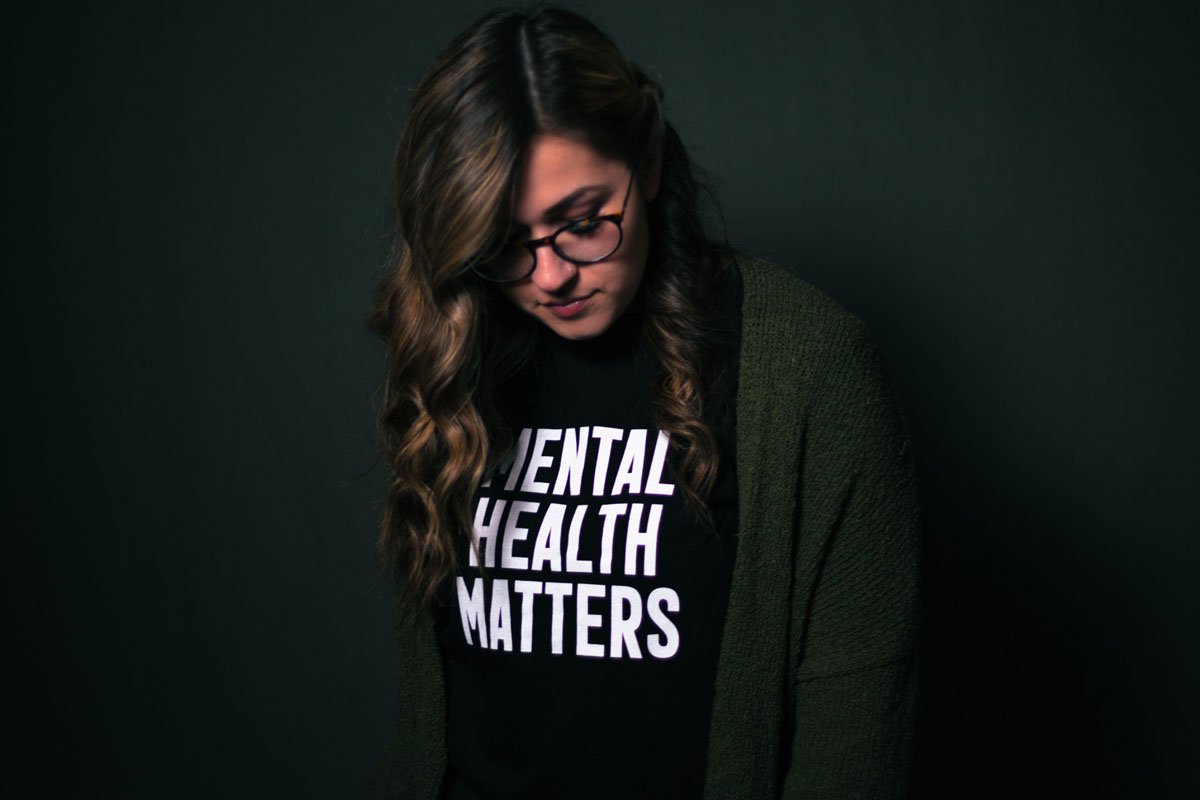
Can Fashion Become a Healthy Habit? Using Creative Style to Support Long-Term Recovery

Long-term addiction recovery involves more than avoiding alcohol or drugs. It also means developing healthier routines, finding enjoyable ways to manage everyday stress, and building a life that feels rewarding and sustainable. For people who enjoy fashion, creative styling can become a positive habit that encourages self-expression, mindfulness, and personal growth. From putting together outfits to learning about clothing design, fashion offers simple opportunities to engage with a healthy interest. Although it cannot replace addiction treatment or mental health care, it can complement a personalized recovery plan and help make everyday life more fulfilling.

Why Healthy Habits Matter in Long-Term Addiction Recovery

Recovery is an ongoing process that often requires changes in daily routines, relationships, and coping strategies. After substance use has disrupted important areas of life, developing consistent habits can help create a stronger foundation for the future.

Healthy habits do not need to be complicated. Getting enough sleep, eating regular meals, attending counseling, staying connected with supportive people, and making time for enjoyable activities can all contribute to overall well-being.

Creative interests also deserve a place in this process. They give people opportunities to explore new skills, experience satisfaction, and spend time on activities that align with their values.

Replacing Unhelpful Patterns With Positive Activities

Addiction can make it difficult to maintain hobbies or enjoy activities that once felt rewarding. As recovery progresses, a person may need to rediscover what they enjoy and find practical ways to spend free time.

Fashion can provide a manageable starting point. Someone might organize a wardrobe, experiment with different color combinations, or create outfits for the coming week. These activities offer structure without requiring a major commitment.

The purpose is not to stay busy every minute. Instead, it is to develop a healthier balance between responsibilities, rest, social connection, and personal interests.

Building Consistency Without Expecting Perfection

New habits often take time to develop. Missing a planned activity or losing interest for a few days does not mean you have failed. What matters is finding routines that fit your needs and returning to them when possible.

For example, you could spend ten minutes exploring a fashion idea each morning or set aside a short period on the weekend to prepare outfits. Keep the activity manageable, especially when you are balancing treatment, work, family responsibilities, or other recovery commitments.

Small, realistic actions are often easier to maintain than ambitious plans that create additional pressure.

How Fashion Can Encourage Mindfulness and Creativity

Fashion combines practical decisions with creative exploration. Choosing fabrics, coordinating colors, and experimenting with different styles can encourage you to pay attention to details and make intentional choices.

For some people, this process offers a welcome break from repetitive worries. It can also provide an opportunity to reconnect with an interest that may have been neglected during addiction.

Turning Everyday Dressing Into a Creative Practice

Getting dressed can become a simple daily ritual rather than another task to rush through. Consider choosing clothing that feels comfortable, suits your activities, and reflects your personal preferences.

You might build an outfit around a favorite item, try a new color combination, or find different ways to wear a piece you already own. Notice the choices you make and whether the process feels enjoyable.

There is no need to follow every trend or create a particular image. Fashion becomes more useful as a healthy habit when it supports personal enjoyment rather than comparison or pressure.

Exploring Fashion Without Spending More Money

A passion for fashion does not have to involve frequent shopping. In fact, creative styling can help you discover how much variety is possible with the clothing you already own.

Try organizing your wardrobe by color, creating several outfits around one versatile item, repairing a garment, or learning basic sewing techniques. You could also explore fashion photography, read about design history, or sketch your own ideas.

These activities allow you to develop skills and enjoy creativity while remaining mindful of financial responsibilities. They also reinforce an important principle of recovery: meaningful experiences do not always require spending money.

Using Fashion to Support Emotional Wellness

Addiction recovery can bring a range of emotions. Some days may feel encouraging, while others may involve frustration, uncertainty, loneliness, or stress. Developing healthy ways to respond to these experiences is an important part of long-term well-being.

Fashion can be one activity in a broader collection of coping strategies. A creative project may provide something constructive to focus on, while a consistent morning routine may help make the day feel more organized.

Recognizing the Difference Between Enjoyment and Emotional Avoidance

It is healthy to use hobbies to relax, but no single activity should become the only way to cope with difficult feelings. If you turn to fashion whenever you feel upset, it may be helpful to explore what you are experiencing and consider other responses.

For example, you could combine a short styling activity with a walk, journaling, a conversation with a trusted person, or a mindfulness exercise. If difficult emotions persist, a mental health professional can help you develop coping strategies suited to your needs.

Fashion should support your emotional well-being, not become a way to ignore problems that need attention.

Avoiding Comparison and Appearance Pressure

Social media often presents carefully selected images of clothing, bodies, and lifestyles. Constant exposure to these images can lead to unrealistic expectations or the belief that looking a certain way will make life better.

During recovery, it is especially important to treat yourself with patience. Your appearance does not determine your worth, and you do not need an expensive wardrobe to enjoy fashion.

Choose sources of inspiration that encourage creativity rather than insecurity. Follow designers who interest you, explore different aesthetics, and give yourself permission to develop a style that feels comfortable and authentic.

Keeping Fashion a Balanced and Healthy Habit

Like any interest, fashion is most beneficial when it fits comfortably into the rest of your life. Setting reasonable boundaries can help you enjoy it without creating unnecessary stress.

Create a Simple Weekly Fashion Routine

A practical routine might include a few short activities throughout the week:

  • Plan outfits: Choose clothing that suits your schedule and reduces morning stress.
  • Explore creativity: Try a new combination using items you already own.
  • Learn a skill: Spend time practicing sewing, garment care, or styling techniques.
  • Reflect on enjoyment: Notice which activities leave you feeling interested, relaxed, or accomplished.
  • Maintain balance: Make sure fashion does not interfere with treatment, sleep, relationships, or essential responsibilities.

Adapt this routine to your circumstances. If daily planning feels burdensome, choose one activity each week instead.

Set Boundaries Around Shopping

For some people, shopping can become an impulsive response to boredom, sadness, or stress. Frequent purchases may provide temporary excitement but create financial pressure later.

To keep fashion enjoyable, establish a realistic spending limit, pause before buying nonessential items, and consider whether a purchase fits your current priorities. If you feel compelled to shop despite financial or emotional consequences, discuss this pattern with a qualified professional.

The goal is not to eliminate enjoyment. It is to make choices that support your long-term stability.

Connecting Personal Interests With a Holistic Recovery Plan

A holistic approach to addiction recovery recognizes that well-being includes physical health, emotional balance, relationships, meaningful activities, and personal values. Fashion can contribute to this broader picture when it supports healthy routines and creative engagement.

However, individual needs vary. Some people may find fashion enjoyable, while others may prefer music, art, gardening, exercise, cooking, or volunteering. There is no single hobby that works for everyone.

How Professional Treatment Supports Long-Term Progress

Creative activities can complement professional care, but they do not treat the underlying medical and psychological aspects of addiction. Depending on individual circumstances, a recovery plan may include medical assessment, supervised detoxification when needed, inpatient treatment, outpatient counseling, mental health services, peer support, and continuing care.

Professional support can also help people address anxiety, depression, trauma, or other concerns that may affect recovery. Treatment should reflect the person’s history, goals, preferences, and current challenges.

If fashion becomes connected to distress about appearance, compulsive spending, or unhealthy comparison, a counselor can help identify more balanced ways to engage with the interest.

Including Faith and Personal Values

For people who value spirituality, fashion may offer another way to make intentional choices that reflect personal beliefs. This could involve choosing clothing that aligns with individual values, practicing gratitude during a morning routine, or connecting with a supportive faith community.

Faith-based resources may provide encouragement and a sense of purpose when they are meaningful to the individual. They can be incorporated alongside appropriate clinical care and other recovery supports.

The most important consideration is whether an activity contributes to a healthier, more balanced life.

Conclusion: Make Room for Healthy Interests That Last

Can fashion become a healthy habit during long-term addiction recovery? Yes, when it is approached as a balanced creative activity rather than a source of pressure, comparison, or unnecessary spending. Planning outfits, learning design skills, caring for clothing, and exploring personal preferences can add structure and enjoyment to everyday life.

Start small. Choose one fashion activity that interests you, use the resources you already have, and notice how it fits into your routine. Allow your interests

Style With Substance: How a Passion for Fashion Can Help Create a More Meaningful Life in Recovery

Addiction recovery creates an opportunity to build a life that feels meaningful, purposeful, and personally rewarding. While professional treatment provides essential support for healing, rediscovering interests can also help people reconnect with what matters to them. For those who love fashion, clothing design, styling, and creative expression can become positive ways to explore personal values, develop new skills, and enjoy everyday life. A passion for fashion is not a substitute for addiction treatment or mental health care. However, when approached with balance and intention, it can become part of a healthier lifestyle that supports long-term recovery.

Finding Meaning Beyond Addiction

Addiction can gradually take attention away from relationships, hobbies, responsibilities, and personal ambitions. Activities that once brought happiness may become less important as substance use begins to affect daily life. After entering recovery, some people find themselves wondering what they enjoy, what they want to accomplish, and how they can make their lives feel fulfilling again.

These questions are a natural part of rebuilding. Recovery is not only about avoiding substances. It is also about discovering healthier ways to manage emotions, spend time, connect with others, and pursue personal goals.

Why Purpose Matters in Recovery

Having a sense of purpose can give everyday activities greater meaning. Purpose does not have to involve a major career achievement or a dramatic life change. It can come from learning a skill, helping someone else, developing a creative interest, or working toward a goal that feels personally important.

Fashion can provide an accessible starting point for this process. Someone who enjoys styling outfits might explore color coordination, study fashion history, learn basic sewing techniques, or create a personal collection of design ideas.

These interests can introduce opportunities to learn, practice patience, and experience satisfaction through healthy activities. Over time, they may also help a person identify goals that extend beyond treatment and recovery itself.

Reconnecting With What Makes Life Enjoyable

During addiction, personal interests may become difficult to maintain. Recovery offers an opportunity to revisit them without expecting everything to feel familiar immediately.

If fashion once brought you joy, start with a small activity. Put together an outfit you enjoy, experiment with clothing combinations, or explore designers whose work inspires you. Pay attention to the process rather than judging the result.

You may also discover new interests along the way. The goal is not to recreate your former life exactly as it was. Instead, it is to build a life that reflects who you are now and the person you want to become.

How a Passion for Fashion Can Support Personal Growth

Fashion combines creativity, decision-making, observation, and personal interpretation. These qualities make it an interesting hobby for people who want to explore new interests while developing healthy habits.

Practicing Creativity and Patience

Creative activities offer opportunities to experiment without needing to get everything right the first time. Styling an outfit, customizing a garment, or learning to sew involves making choices, evaluating results, and adjusting when something does not work as expected.

This process can encourage patience and flexibility. For example, you might try several combinations before finding one that feels right. Rather than treating the first attempt as a failure, you can view it as part of learning.

These experiences do not automatically prevent relapse or resolve emotional difficulties. However, they can provide enjoyable ways to practice persistence and engage in activities that support a balanced life.

Building Confidence Through Achievable Goals

Recovery often involves rebuilding trust in yourself. Small, realistic goals can help make that process more manageable.

You could learn one new styling technique, repair a favorite piece of clothing, or organize a small fashion project. Completing a task provides a concrete reminder that progress can happen through consistent effort.

It is important to keep these goals flexible. Your worth does not depend on how fashionable you look, how quickly you learn, or whether other people admire your choices. Fashion should be an enjoyable interest, not another source of pressure.

Turning Fashion Into a Meaningful Daily Practice

A meaningful life is often built through ordinary habits rather than occasional achievements. Fashion can become part of a daily routine when it encourages thoughtful choices and adds enjoyment to everyday responsibilities.

Use Clothing to Make Everyday Moments More Intentional

Choosing what to wear can become a simple opportunity to slow down and make a deliberate decision. Instead of rushing through the morning, you might spend a few minutes selecting clothing that suits your plans and feels comfortable.

This practice can help create structure, especially when paired with other healthy routines. Preparing an outfit the night before, for example, may make mornings easier and reduce unnecessary stress.

You can also use fashion as a creative exercise. Choose a favorite color, build an outfit around one item, or find a new way to wear something you already own.

These small activities will not transform recovery overnight. Nevertheless, they can add interest and a sense of personal involvement to ordinary days.

Keep Your Passion Financially Healthy

A meaningful relationship with fashion does not require constant shopping. In fact, learning to enjoy creativity without frequent purchases can help reinforce thoughtful decision-making.

Consider setting a realistic clothing budget, exploring secondhand options, repairing garments, or creating new combinations from your existing wardrobe. Before buying something, ask whether you genuinely need it, whether it fits your budget, and whether the purchase supports your current priorities.

This is particularly important if financial stability is one of your recovery goals. Spending beyond your means to keep up with trends can create stress and conflict, which may undermine your broader efforts to build a stable lifestyle.

Fashion can remain rewarding when the emphasis is on creativity, resourcefulness, and personal enjoyment rather than consumption.

Fashion, Relationships, and a Sense of Belonging

A meaningful life also includes connection with other people. Addiction can strain relationships and contribute to isolation, making supportive social experiences an important part of recovery.

Fashion can create opportunities to connect with others through shared interests. For instance, you might attend a sewing class, join a clothing swap, volunteer with a community organization, or share design ideas with a trusted friend.

Finding Community Through Shared Interests

Participating in a creative group can make it easier to meet people in a setting organized around a common activity. Conversations about clothing, design, or sustainable fashion may provide a comfortable way to begin building friendships.

However, it is important to choose environments that support your recovery goals. If certain social settings involve substance use or create uncomfortable pressure, look for alternatives that offer a healthier atmosphere.

You do not need to share your recovery history with everyone you meet. You can establish boundaries around personal information while gradually developing relationships with people who respect your choices.

Using Your Interests to Give Back

Fashion can also become a way to contribute to others. Some people enjoy helping friends prepare for interviews, donating suitable clothing, repairing garments for family members, or supporting community clothing drives.

These activities can connect a personal interest with a broader sense of purpose. Helping someone feel prepared for a new opportunity, for example, may be rewarding because the focus extends beyond appearance to practical support and human connection.

Giving back should remain voluntary and manageable. Recovery also requires time for rest, treatment, and personal needs. You do not have to take on extra responsibilities to prove that you are making progress.

A Holistic Approach to Fashion and Recovery

Holistic addiction recovery recognizes that well-being involves more than one aspect of life. Emotional health, physical wellness, relationships, meaningful activities, and personal values can all influence how someone experiences recovery.

Fashion may support this broader approach by encouraging creativity and providing an enjoyable activity. Nevertheless, it works best when it fits into a balanced lifestyle rather than becoming the main source of emotional regulation or self-worth.

Connecting Creativity With Mental Health Care

People in recovery may experience anxiety, depression, stress, or difficulty adjusting to life after treatment. Creative hobbies can provide a constructive way to spend time, but they do not replace professional help for these concerns.

A personalized treatment plan may include individual counseling, group therapy, mental health services, inpatient treatment, outpatient care, or continuing recovery support, depending on a person’s needs.

A qualified professional can help you understand which services may be appropriate and how to incorporate healthy interests into your routine. If fashion becomes a source of comparison, compulsive spending, or distress about appearance, discussing those feelings with a counselor can help you establish healthier boundaries.

The objective is to make room for enjoyment while continuing to address the underlying challenges associated with addiction.

Making Space for Faith and Personal Values

For people who draw strength from faith, recovery may also involve reconnecting with spiritual beliefs, practicing gratitude, and exploring what it means to live according to personal values.

Fashion can fit into this process when clothing choices reflect what matters to an individual. Someone may prefer modest styles, value sustainability, or enjoy creating outfits that express creativity without following every trend.

There is no single correct way to connect fashion with spirituality. What matters is that personal choices support a healthy sense of meaning rather than creating pressure to meet external expectations.

Faith-based support, when desired, can complement professional treatment and other recovery resources. An individualized approach respects each person’s beliefs, preferences, and goals.

Creating a Future That Reflects Your Values

As recovery progresses, it can be helpful to think about the kind of life you want to build. Fashion may be one interest within a much larger picture that inclu

When Clothing Becomes a Creative Outlet: Using Fashion to Reconnect With Healthy Interests in Recovery

Addiction recovery is about more than stopping substance use. It also involves rediscovering interests, rebuilding daily routines, and finding meaningful ways to enjoy life again. For people who have lost touch with hobbies or personal passions during addiction, fashion can offer a practical and enjoyable way to reconnect with creativity. Choosing colors, experimenting with outfits, organizing a wardrobe, or learning about clothing design can provide opportunities for self-expression while supporting a healthier lifestyle. Although fashion cannot replace professional addiction treatment or mental health care, it can become a positive part of a personalized recovery plan.

Why Healthy Interests Matter During Addiction Recovery

Addiction can gradually push aside activities that once brought pleasure, connection, and purpose. Time and energy may become centered on substance use, leaving less room for hobbies, relationships, and personal goals. As recovery begins, rebuilding a fulfilling life often means finding new ways to spend time and rediscovering what makes each day meaningful.

Healthy interests can help fill this gap. They give people something constructive to anticipate, encourage the development of new skills, and create opportunities to experience satisfaction without relying on substances.

Rediscovering Enjoyment Beyond Addiction

Early recovery can sometimes feel unfamiliar. Activities that once seemed easy or enjoyable may take time to appreciate again. This does not mean a person has lost the ability to experience happiness. Instead, it may take patience to develop new routines and reconnect with interests.

Fashion can provide a gentle starting point because it offers many ways to participate. Someone might begin by putting together outfits from clothes they already own, creating a collection of style inspiration, or learning how different fabrics and colors work together.

These activities do not require immediate expertise or expensive purchases. The goal is to enjoy the creative process, explore personal interests, and gradually build a life that includes rewarding experiences.

Creating Structure Through Positive Activities

A healthy routine can make recovery more manageable. Setting aside time for a creative activity introduces structure into the day and provides a constructive alternative to unhelpful habits.

For example, a person might spend a few minutes planning an outfit each morning, organize clothing on the weekend, or use a fashion journal to record ideas. These small practices can encourage consistency and make ordinary moments feel more purposeful.

Structure is particularly valuable when combined with other recovery habits, such as attending counseling, maintaining regular sleep, eating balanced meals, exercising appropriately, and staying connected with supportive people.

How Fashion Encourages Creativity and Self-Expression

Fashion is a creative activity that combines color, texture, design, and personal interpretation. It allows people to experiment with ideas without needing to produce something perfect. During recovery, this freedom can be valuable for anyone learning to express preferences, explore interests, and make decisions with greater confidence.

Experimenting With Color, Texture, and Design

Creative exploration can begin with simple changes. Try combining clothing items in unexpected ways, experimenting with different color combinations, or creating several outfits around one favorite piece.

A person interested in design might learn basic sewing skills, customize an older garment, or sketch clothing ideas in a notebook. Others may enjoy researching fashion history, exploring sustainable clothing, or studying how designers communicate ideas through their collections.

The important point is that creativity does not need to involve spending money. Many enjoyable fashion activities use resources already available at home.

Making Room for Personal Preferences

Addiction can affect how people see themselves and make choices. As recovery progresses, exploring personal interests can become one way to practice making decisions based on individual preferences and values.

Fashion provides opportunities to ask simple but meaningful questions:

  • Which colors and styles make me feel comfortable?
  • What do I enjoy wearing when I am not trying to meet someone else’s expectations?
  • Which creative activities would I like to learn?
  • How can I express my personality without comparing myself with others?

There are no right or wrong answers. Personal style can change over time, and it does not need to meet anyone else’s standards. The value lies in exploring what feels authentic and enjoyable.

Using Fashion as a Healthy Alternative to Unhelpful Habits

Developing healthier responses to stress is an important part of addiction recovery. People often need practical ways to manage difficult emotions, boredom, frustration, or loneliness without returning to substance use.

A creative activity such as fashion can be one option among several. It offers something concrete to focus on and may help redirect attention during an otherwise difficult moment.

Building a Personal List of Creative Activities

Rather than relying on one hobby for every situation, consider creating a list of activities that fit different moods and circumstances.

For instance, when feeling restless, you could organize a drawer or assemble a new outfit from existing clothes. When seeking inspiration, you could read a fashion article or sketch a design. When feeling isolated, you might discuss style ideas with a trusted friend or attend a community craft workshop.

These activities are not guaranteed to remove cravings or prevent relapse. However, they can support a broader set of coping strategies that includes professional guidance, recovery meetings, social support, and a personalized relapse prevention plan.

Recognizing When Shopping Becomes a Concern

Fashion and shopping are not the same thing. Creativity can flourish without frequent purchases, and this distinction matters during recovery.

For some people, shopping may become an impulsive response to stress, sadness, or a desire for temporary excitement. Social media can intensify these feelings by promoting constant consumption and unrealistic expectations about appearance.

To keep fashion a healthy interest, try setting a clothing budget, waiting before making nonessential purchases, and creating outfits with items you already own. You can also save inspiration images without buying the products shown.

If shopping begins to create financial problems, emotional distress, or conflict in relationships, consider discussing the pattern with a counselor. The aim is to preserve an enjoyable interest while maintaining healthy boundaries.

Reconnecting With Healthy Interests Through Small Steps

Returning to hobbies does not have to happen all at once. Recovery involves individual needs, personal circumstances, and different stages of adjustment. A manageable approach can make it easier to explore interests without creating unnecessary pressure.

Start With What You Already Enjoy

Think about what originally attracted you to fashion. Perhaps you enjoyed putting together outfits, reading about designers, exploring vintage clothing, or helping friends choose what to wear.

If those interests no longer appeal to you, that is also fine. You can experiment with something different, such as photography, drawing, music, cooking, gardening, or exercise. The purpose is to discover activities that support your well-being, not to force yourself to enjoy an old hobby.

Set Realistic and Flexible Goals

A small goal is often more useful than an ambitious plan that becomes difficult to maintain. For example, spend ten minutes exploring a creative idea, organize one section of your wardrobe, or learn one basic sewing technique this week.

Notice how the activity affects your mood and energy. If it feels enjoyable, continue at a comfortable pace. If it becomes stressful, take a break or try another activity.

Progress in recovery is not measured by how productive or stylish you appear. It is about developing healthier patterns that support your needs and long-term well-being.

Share Your Interest With Others

Creative hobbies can also create opportunities for connection. You might exchange styling ideas with a friend, participate in a clothing swap, volunteer with a community organization, or join a sewing or design group.

Positive social connections can reduce isolation and provide encouragement during recovery. Choose environments that feel safe and support your goals. If certain social settings involve substance use or other triggers, consider alternatives that better fit your current needs.

The Connection Between Fashion, Mental Health, and Holistic Recovery

A holistic approach to recovery considers the different aspects of a person’s life, including emotional well-being, physical health, relationships, daily habits, and sense of purpose. Creative interests can contribute to this process by providing enjoyable ways to learn, reflect, and engage with the world.

Fashion may encourage mindfulness when someone pays attention to colors, textures, and the details of a design. Completing a small creative project may offer a sense of accomplishment. Participating in a supportive fashion community may create opportunities for friendship and shared interests.

However, these benefits are not universal, and fashion is not a treatment for addiction, depression, anxiety, or other mental health conditions. Some people may feel uncomfortable with appearance-focused activities, particularly if clothing and body image are connected to difficult experiences. In those cases, another creative hobby may be a better fit.

Including Faith and Personal Values

For people who value spirituality, creative activities can also become opportunities to reflect on gratitude, purpose, and personal growth. Someone might choose clothing that reflects their values, practice gratitude while getting ready for the day, or connect with a faith community that supports healthy living.

Faith-based practices can be incorporated into recovery when they align with a person’s beliefs and preferences. They may provide meaning and connection, while professional treatment addresses the clinical aspects of addiction and mental health.

Personalized care recognizes that recovery does not look the same for everyone. The most useful activities are those that fit the individual’s goals, interests, circumstances, and support needs.

When Professional Support Is Still Important

Healthy interests can make everyday life more rewarding, but they are only one part of recovery. Addiction can involve physical dependence, emotional challenges, mental health symptoms, and changes in relationships or responsibilities. These concerns may require structured treatment and ongoing support.

Depending on individual needs, care may include medical assessment, supervised detoxification when appropriate, inpatient treatment, outpatient counseling, mental health services, peer support, or continuing care after a treatment program ends.

A qualified treatment professional can help identify suitable services and develop a recovery plan that reflects personal circumstances. If cravings, emotional distress, or thoughts of returning to substance use become difficult to manage, reach out to a trusted provider or recovery support person rather than relying on a hobby alone.

Fashion can complement treatment by giving people another way to explore interests and build positive routines. It should never become another standard they feel pressured to meet.

Conclusion: Let Creativity Become Part of a Healthier Life

When clothing becomes a creative outlet, it can offer more than an opportunity to experiment with personal style. It can help people rediscover enjoyable activities, practice making healthy choices, establish daily routines, and connect with interests that may have been overlooked during addiction.

Start with one simple activity. Rework an outfit using clothes you already own, explore a new design idea, or spend a few minutes identifying what you enjoy about fashion. Allow yourself to experiment without expecting perfection, and remember that meaningful progress often develops through small, consistent steps.

Most importantly, give yourself permission to build a life that extends beyond addiction. Creative interests can be part of that process, alongside supportive relationships, healthy routines, and appropriate professional care.

If you or someone you love is struggling with addiction or mental health concerns, consider reaching out to a qualified treatment provider to discuss available options. With individualized support and a willingness to explore healthier ways of living, it is possible to develop new interests, strengthen coping skills, and work toward a more fulfilling future.

Fashion After Treatment: How Rediscovering Your Style Can Support Life Beyond Addiction

Completing addiction treatment is an important achievement, but it is not the end of recovery. Life after treatment involves learning how to manage responsibilities, relationships, emotions, routines, and everyday decisions without returning to substance use. For someone who has always had a passion for fashion, rediscovering personal style can become one of the small pleasures that makes this new chapter feel real. Choosing clothes, returning to favorite interests, preparing for social situations, and developing a wardrobe that fits your current lifestyle can provide healthy opportunities for self-expression and structure. Fashion cannot treat addiction, but it can become part of a balanced lifestyle built around wellness, purpose, and continued growth.

Leaving inpatient treatment or completing an intensive period of outpatient care can bring mixed emotions. There may be relief and excitement, but there can also be uncertainty. Treatment provides structure and professional support. Once that structure changes, everyday life can feel unfamiliar.

This transition is where healthy routines become especially important.

For some people, fashion is one practical way to reconnect with ordinary life.

Life After Addiction Treatment Requires New Routines

Recovery continues long after formal treatment ends. Continuing care, counseling, support groups, healthy relationships, and personal coping strategies can all help protect progress.

Daily routines matter too.

Structure Can Make the Transition Easier

During treatment, your schedule may include therapy, meals, group sessions, exercise, rest, and other planned activities. Returning to everyday life can require rebuilding that structure independently.

Getting dressed for the day can become one small part of a consistent morning routine.

You might choose your outfit after breakfast, prepare clothing the night before, or create a simple system that makes mornings easier.

The purpose is not to make fashion another obligation.

It is to create predictable habits that help you move into the day with intention.

Everyday Activities Can Reinforce Independence

Recovery often involves learning to manage responsibilities independently.

Going back to work, attending appointments, reconnecting with family, meeting friends, or participating in community activities can all require preparation.

Choosing appropriate clothing for these situations can be part of that preparation.

Over time, these ordinary decisions can help life begin to feel less centered around treatment and more centered around living.

Rediscovering Fashion After Addiction

Addiction can push healthy interests into the background. A person who once enjoyed clothing, design, styling, or fashion photography may have stopped participating in those activities.

After treatment, there may be an opportunity to return to them.

Revisit What You Enjoyed Before

Think about what attracted you to fashion in the first place.

Maybe you enjoyed putting outfits together. Perhaps you loved discovering vintage pieces, learning about designers, experimenting with accessories, or following fashion history.

You do not need to return to those interests exactly as they were.

Recovery may have changed your priorities.

Instead, consider what aspects of fashion still bring you genuine enjoyment today.

Explore Fashion Without Pressure

Rediscovering an interest should feel positive, not demanding.

You do not need an expensive wardrobe or constant access to new trends.

Start with what you already own.

Try different combinations. Organize clothing by occasion. Repair pieces you enjoy wearing. Experiment with accessories. Learn basic alterations. Visit a local exhibition or explore fashion history online.

These activities can provide healthy ways to spend time while reconnecting with creativity.

Building a Wardrobe for Your New Life

Life after treatment may look different from the life you had before.

Your work situation may change. Your social circle may change. Your priorities may change. Your financial situation may also require more careful planning.

Your wardrobe can adapt accordingly.

Dress for the Life You Are Building

Instead of buying clothes based entirely on who you used to be, think about the responsibilities and activities that matter now.

If you are returning to work, prioritize clothing appropriate for your professional environment. If you are spending more time outdoors, practical clothing may make sense. If you are rebuilding your social life, choose pieces that make you feel comfortable participating in activities with others.

Your wardrobe should serve your current life.

Do Not Feel Pressure to Replace Everything

A new chapter does not require a completely new wardrobe.

Replacing everything at once can create unnecessary financial pressure. Instead, identify what you actually need.

A simple process can help:

  1. Keep clothing that fits your current lifestyle.
  2. Set aside pieces that no longer fit your needs.
  3. Identify practical gaps in your wardrobe.
  4. Create a realistic spending limit.
  5. Purchase gradually.

This approach allows fashion to remain enjoyable without becoming financially stressful.

Fashion and Financial Responsibility in Recovery

Financial stability can be an important part of rebuilding life after addiction.

Depending on personal circumstances, someone leaving treatment may be returning to employment, repairing financial problems, managing debt, or learning to budget more carefully.

A passion for fashion does not have to interfere with those goals.

Practise Mindful Shopping

Before buying something, pause.

Ask whether the item is necessary, affordable, and likely to be used regularly.

It can also help to wait before making expensive purchases. Giving yourself time to think can reduce impulsive decisions.

Shopping should be an enjoyable activity, not a way to escape difficult emotions.

Watch for Emotional Spending

Some people use shopping to change how they feel temporarily.

If you notice that you frequently want to buy clothing when you are stressed, lonely, frustrated, or discouraged, take a moment to identify the emotion underneath the urge.

You may discover that what you actually need is rest, connection, exercise, a conversation with someone you trust, or professional support.

Recognizing the difference can help protect both emotional and financial well-being.

Preparing for Work and Social Reintegration

Returning to everyday responsibilities can be an important stage of recovery.

For some people, that means going back to work. For others, it may involve returning to school, rebuilding family relationships, or becoming involved in community activities.

Fashion can play a practical role in these transitions.

Creating a Work-Ready Wardrobe

Returning to employment can bring new questions about appearance.

What should you wear to an interview? What is appropriate for your workplace? How can you look professional without spending too much?

The answers depend on your field and environment.

Start with a few versatile pieces rather than trying to create an entire professional wardrobe immediately.

A small collection of clothing that fits well, feels comfortable, and works for multiple situations can provide flexibility.

Getting Comfortable in Social Situations

Social reintegration can feel intimidating after treatment.

You may worry about what people think of you or feel uncertain about how to interact with people you have not seen for a long time.

Choosing clothing that feels comfortable and appropriate can remove one small source of uncertainty.

However, remember that you do not need to look perfect to deserve connection.

The goal is participation, not performance.

Letting Go of Clothing Connected to Difficult Memories

Clothing can carry memories.

Certain items may remind you of relationships, environments, or periods associated with substance use. Other pieces may simply no longer represent the person you are becoming.

You do not have to keep everything.

Decide What You Want to Keep

Go through your wardrobe slowly.

If an item has strong negative associations, ask yourself whether keeping it is useful. If it continues to cause distress, you may decide to donate it, store it, or let it go.

There is no requirement to erase your past.

Rather, this can be a practical way to make your living environment feel more consistent with your present circumstances.

Keep Positive Memories Too

Not every reminder of the past needs to disappear.

Some clothing may represent healthy relationships, important achievements, family memories, or interests that existed before addiction.

Keeping those pieces can be meaningful.

Recovery is not about rejecting your entire past. It is about learning from it while creating a healthier future.

Personal Style Can Support Healthy Self-Care

Self-care after treatment is not about luxury. It involves consistently attending to the basic needs that support physical and emotional well-being.

Fashion can fit naturally into this process.

Create a Simple Morning Ritual

A morning routine might include:

  • Getting out of bed at a consistent time
  • Showering and completing personal hygiene
  • Eating breakfast
  • Taking prescribed medications as directed by a healthcare professional
  • Choosing an outfit
  • Reviewing the day’s responsibilities
  • Connecting with a supportive person if needed

The specific routine will vary.

What matters is consistency.

Dress for Activity, Not Just Appearance

Think about what you need to accomplish.

If you plan to exercise, wear appropriate clothing. If you are attending an appointment, choose something comfortable. If you are working, dress for your professional setting.

When clothing supports the activity itself, fashion becomes practical rather than purely appearance-focused.

The Role of Faith and Meaning in Life After Treatment

For people who include faith in their recovery, life after treatment may involve strengthening spiritual practices and reconnecting with values that provide meaning.

That might include prayer, Scripture, worship, service, gratitude, or involvement in a supportive faith community.

Let Clothing Reflect Your Values

Personal style can sometimes reinforce the principles you want to live by.

You might prefer simplicity because it reflects a desire for less material pressure. You may choose clothing that feels appropriate for your faith community. You may value modesty, dignity, or practicality.

There is no single way to connect fashion and faith.

The important point is that clothing remains an expression of your values rather than a measure of your spiritual worth.

Fashion Should Complement Continuing Recovery Care

Rediscovering your style can be positive, but life after treatment still requires attention to recovery.

Addiction is a chronic and complex condition, and continued support can be important even after formal treatment ends. Counseling, recovery groups, family support, mental health care, and other continuing resources may help individuals manage challenges as they return to everyday life.

Know When You Need Additional Support

A difficult day does not necessarily mean that recovery is failing.

However, persistent cravings, returning to substance use, worsening mental health symptoms, isolation, major changes in sleep, or difficulty managing everyday responsibilities should not be ignored.

Reach out to a qualified professional or trusted recovery support when you need help.

Asking for assistance early can be a practical way to protect your progress.

Remember That Recovery Is Personal

Some people transition from inpatient treatment to outpatient care. Others begin with outpatient treatment and continue with counseling or community-based support.

There is no universal recovery timeline.

Individualized care matters because people have different histories, needs, strengths, and circumstances. Holistic and faith-based approaches can also be valuable for people who want their emotional, physical, social, and spiritual needs considered as part of recovery.

Fashion should fit into that larger picture.

Finding Joy in Life Beyond Addiction

One of the most meaningful parts of recovery is discovering that life can contain interests, responsibilities, relationships, and experiences that have nothing to do with substance use.

Fashion can be one of those interests.

You can enjoy putting together an outfit without needing to make appearance your entire identity. You can appreciate design without constantly buying new clothes. You can enjoy trends while still maintaining financial boundaries.

Balance is the key.

Give Yourself Permission to Enjoy Healthy Interests

After addiction, some people feel guilty about enjoying themselves.

They may believe that recovery must always involve serious work.

Treatment and recovery work are important, but healthy enjoyment matters too.

Reading about fashion, visiting a store without buying anything, organizing your wardrobe, creating outfits, or learning about design can simply be enjoyable.

A fulfilling life needs room for healthy pleasure.

Conclusion: Your Style Can Be Part of Your New Chapter

Life after addiction treatment is about more than maintaining sobriety. It is about building a daily life that gives you reasons to stay engaged, connected, responsible, and hopeful.

For someone with a passion for fashion, rediscovering personal style can become part of that process. It can help establish routines, encourage creativity, prepare you for work and social situations, and reconnect you with interests that addiction may have pushed aside.

The goal is not to create a perfect wardrobe.

It is to create a life in which fashion has a healthy place.

Choose clothing that supports your current responsibilities. Shop with intention. Protect your financial goals. Let go of items that keep you tied to unhealthy environments when doing so feels appropriate. Rediscover creativity without pressure. Most importantly, remember that your appearance is only one small part of your recovery story.

If you are struggling with addiction or mental health concerns, professional treatment remains the foundation for meaningful change. Inpatient and outpatient programs, individualized treatment, mental health support, holistic care, and faith-based approaches can provide different forms of assistance depending on your needs.

You do not have to figure out life after treatment entirely on your own.

Reach out for professional support when you need it, continue building healthy connections, and give yourself permission to rediscover the parts of life that bring genuine meaning. Your recovery is not simply about leaving addiction behind. It is about creating a future that feels worth living, one healthy choice at a time.